
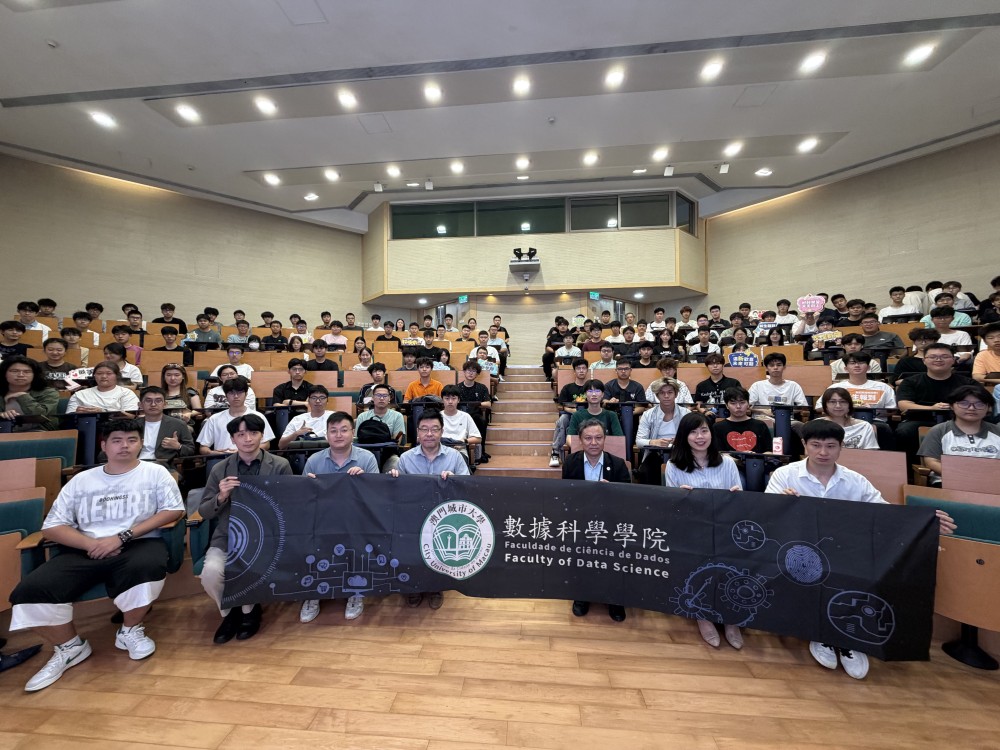
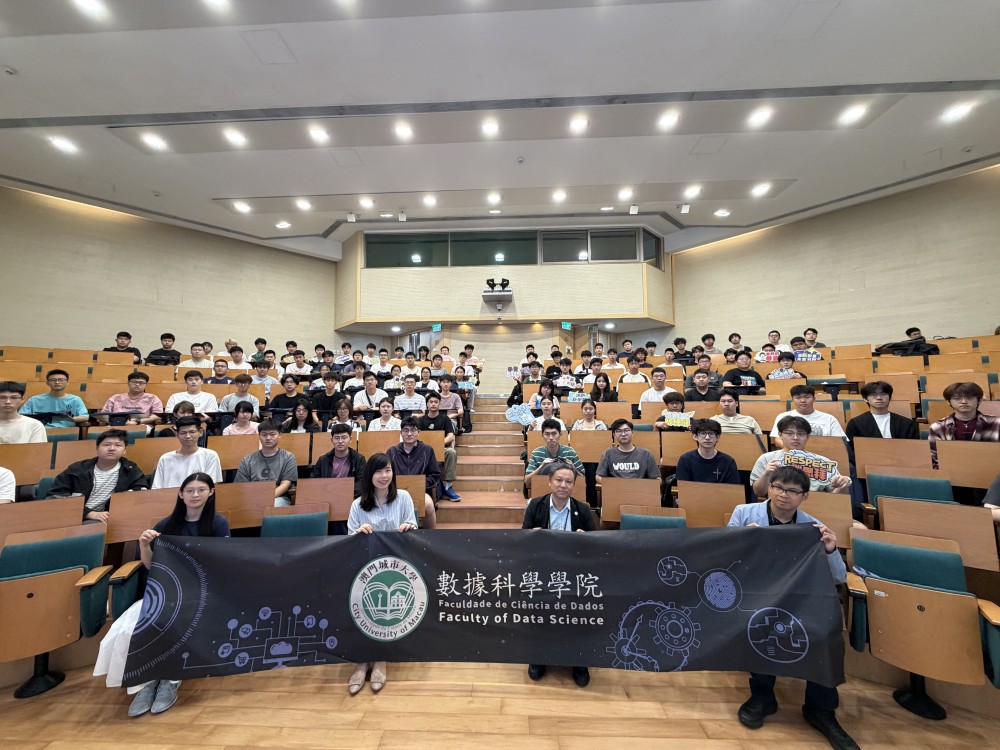
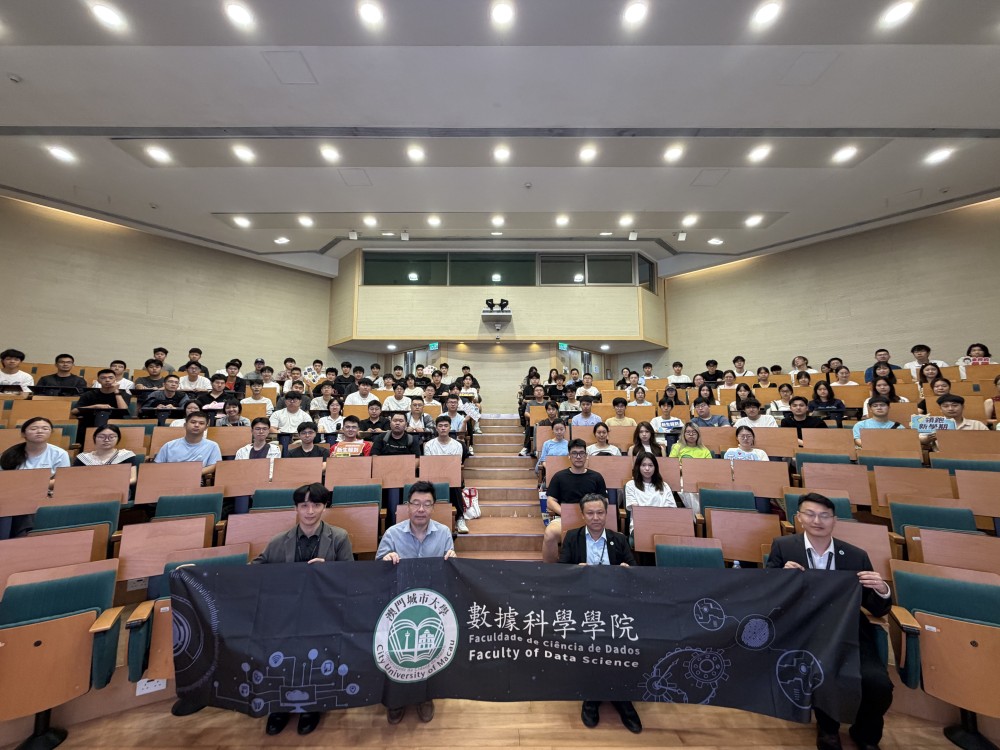
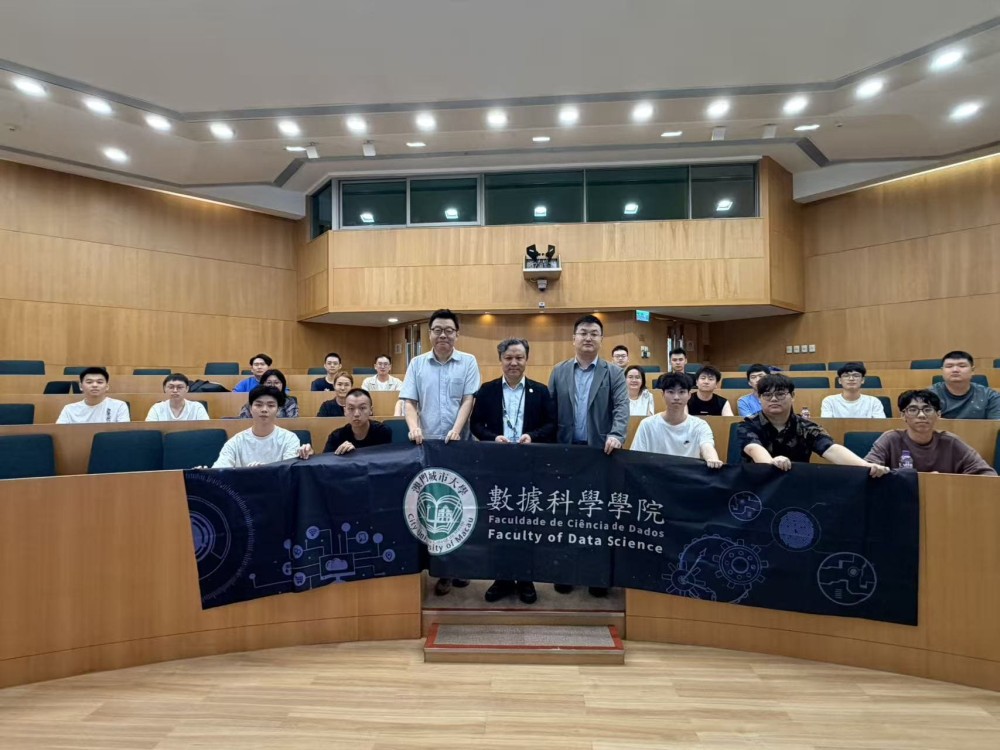
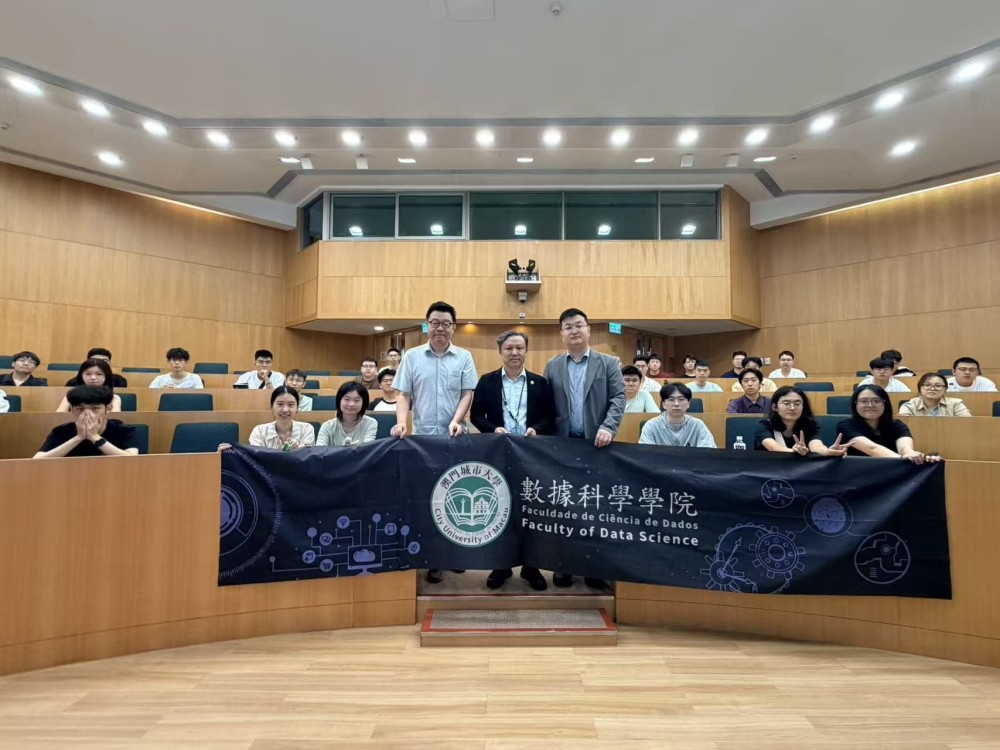
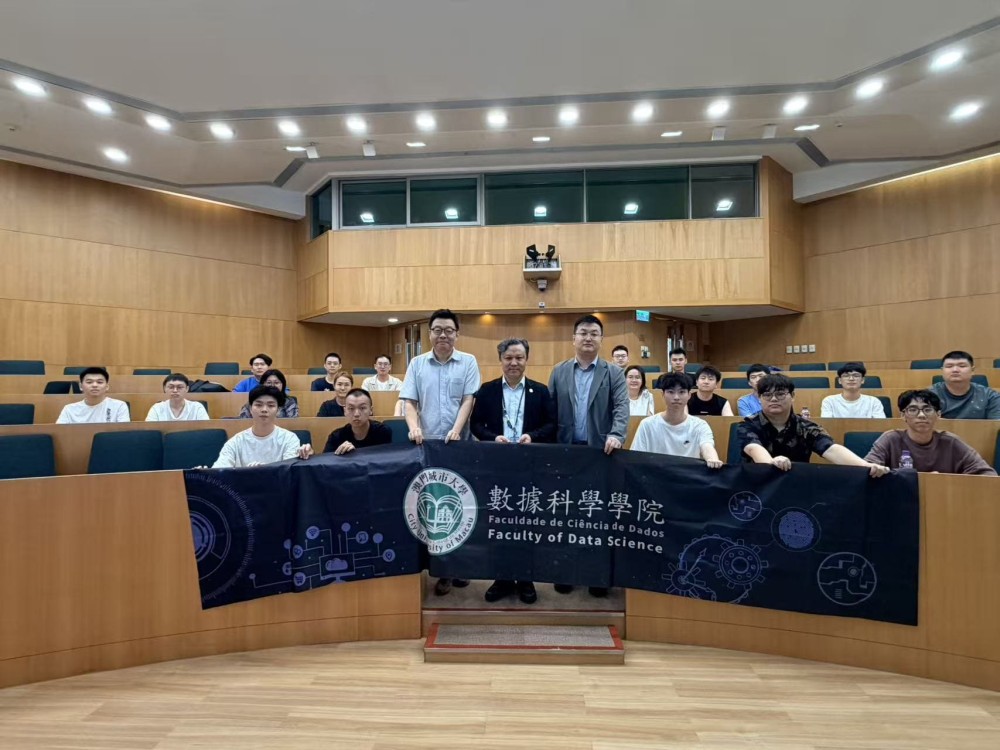
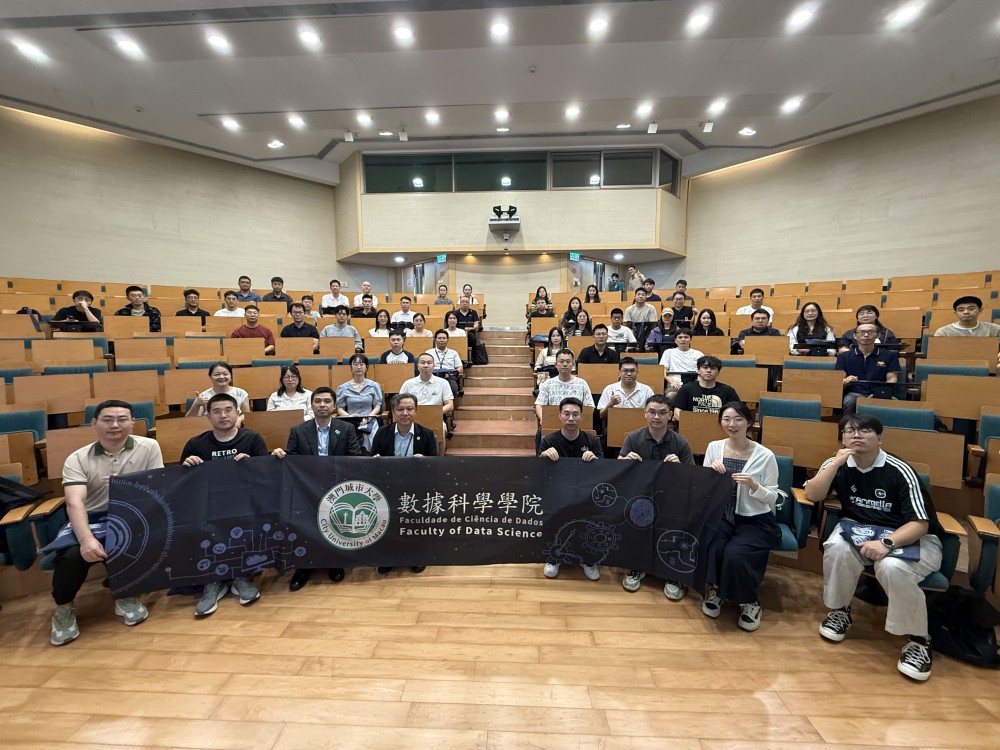
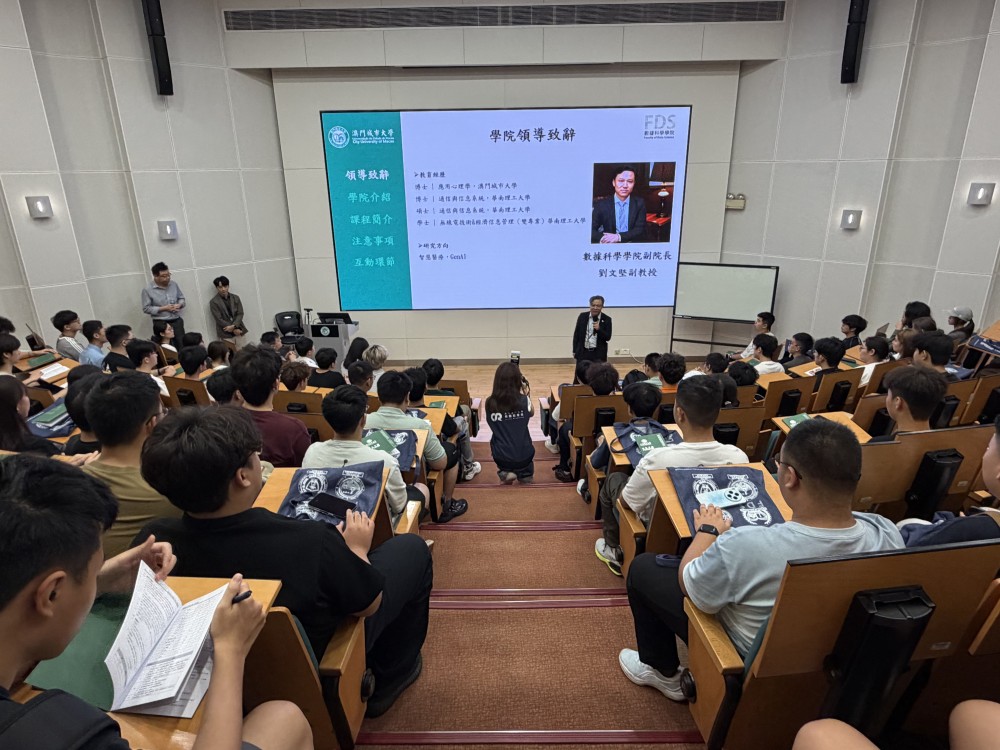
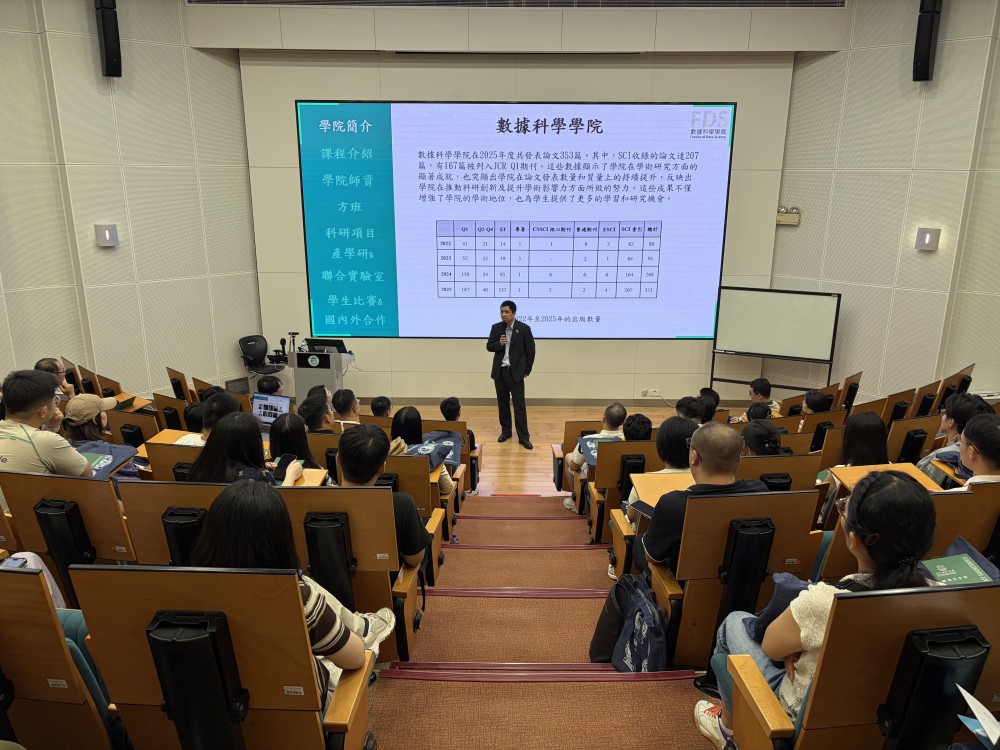
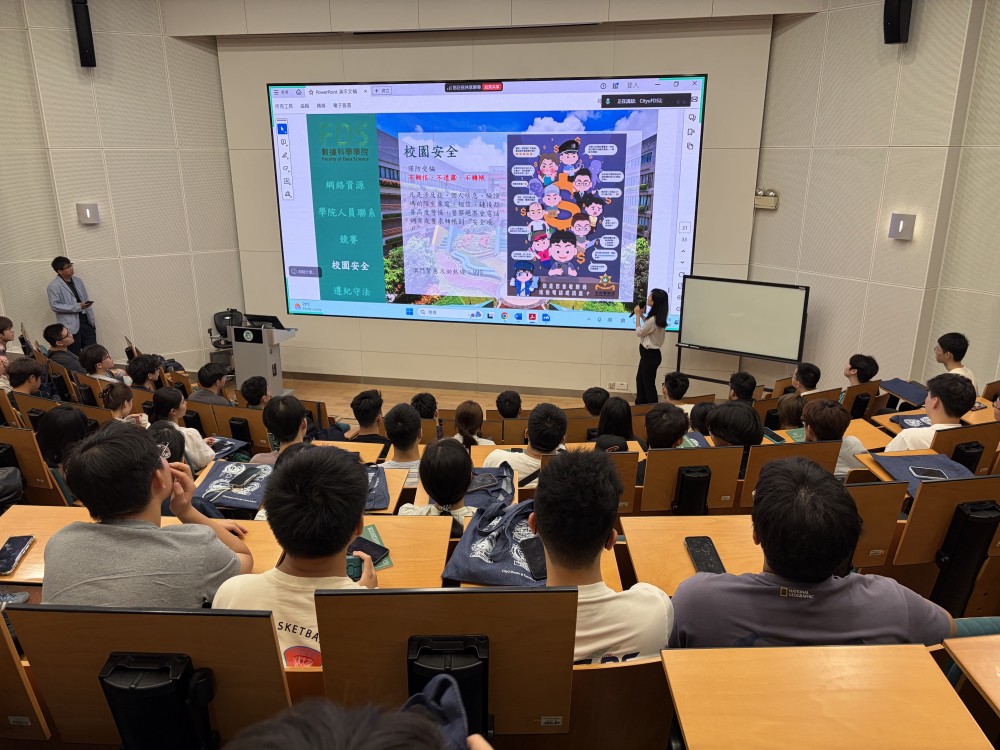
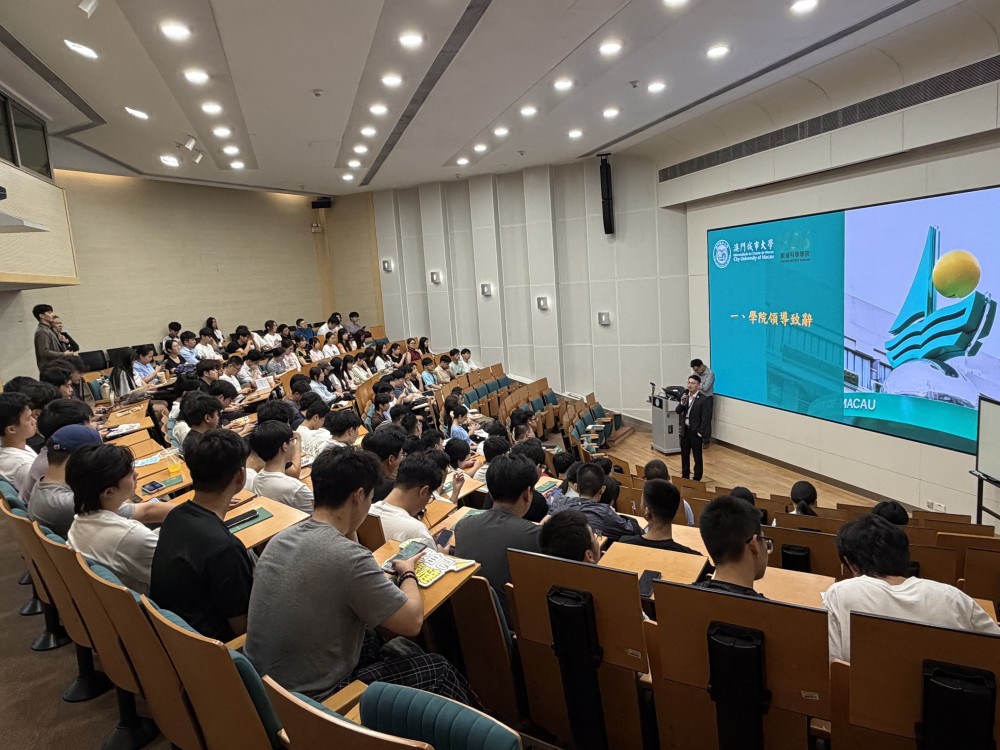
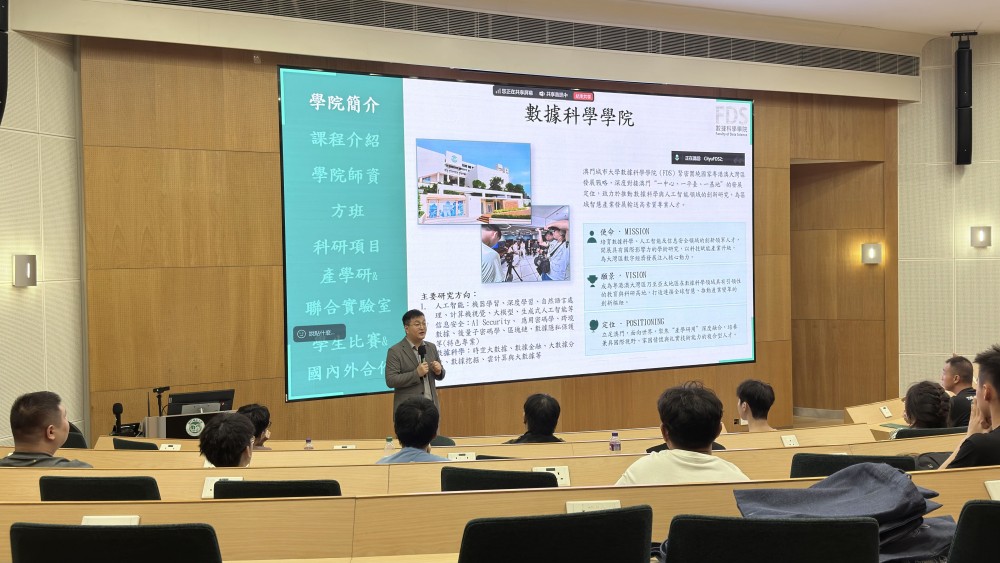
The Faculty of Data Science, City University of Macau, hosted its Undergraduate Orientation Day and Postgraduate Orientation Day on 22 August and 23 August 2026 respectively. The events welcomed new students across programmes: Bachelor of Science in Intelligent Technology and Services, Bachelor of Science in Computer Science, Bachelor of Science in Artificial Intelligence, Master of Science in Data Science, Master of Science in Computer Science, Master of Science in Artificial Intelligence, Doctor of Philosophy in Data Science and Doctor of Philosophy in Computer Science. Faculty representatives delivered comprehensive briefings covering faculty‑wide introductions, curriculum overviews, pre‑semester administrative arrangements and long‑term academic planning, to help freshmen quickly settle into campus life and academic communities.
Against the rapid advancement of big‑data, artificial‑intelligence and smart‑service industries, the Faculty of Data Science at City University of Macau has continuously refined its curriculum framework and built a complete talent‑training ecosystem spanning bachelor, master and doctoral levels. The two‑day orientation was segmented by study stage: 22 August was dedicated to all incoming undergraduates, while 23 August catered exclusively to master’s and PhD candidates, with session content tailored to the distinct academic demands of each qualification level.
At the opening, faculty leadership delivered welcome remarks, introducing the faculty’s development milestones, faculty members, research laboratories, industry‑university‑research collaboration initiatives, as well as the development opportunities for intelligent‑technology industries in Macao. The faculty is committed to cultivating high‑level interdisciplinary talents equipped with data‑analytics, programming and AI application competencies. New students were encouraged to capitalize on Macao’s booming tech‑sector momentum and actively engage in coursework, research projects and industry‑based practical training.
Subsequently, programme coordinators elaborated on each degree’s training blueprint. For the three undergraduate majors‑‑Intelligent Technology and Services, Computer Science and Artificial Intelligence‑‑presentations focused on curriculum modules, course‑selection regulations, laboratory‑based practice requirements and graduation criteria. For postgraduate programmes including Data Science, Computer Science and Artificial Intelligence at master’s level, together with the two doctoral programmes, key topics covered research‑stream selection, supervisor‑matching mechanisms, research‑training benchmarks, thesis‑writing standards and international academic‑exchange opportunities.
Administrative staff walked freshmen through essential pre‑semester procedures, including registration formalities, campus‑facility access, library resources, IT services, academic‑registry regulations, scholarship and bursary applications, and campus‑welfare services. Queries concerning class timetables, laboratory booking workflows and administrative protocols were addressed during interactive Q&A sessions.
During the academic‑planning workshop, faculty advisors offered stage‑specific guidance. Undergraduates were advised to consolidate their foundational knowledge of programming and mathematics, and to participate in tech‑related competitions and extra‑curricular research. Postgraduate students were encouraged to identify their research interests at an early stage, maintain regular communication with supervisors, launch research projects promptly and attend academic seminars and international conferences to strengthen independent research and innovation capabilities. Many new students raised active questions on curriculum transition, career prospects, further‑study pathways and research participation, sparking fruitful exchanges between faculty and students.
The orientation events have built a vital communication bridge between the faculty and its new‑intake cohort. Participants gained clear insight into their programmes and opening‑semester logistics, while building realistic expectations for their upcoming academic journey. The Faculty of Data Science, City University of Macau, stated that a series of follow‑up activities, including supervisor mentoring schemes, research workshops and industrial field trips, will be organized to support new students in adapting to university study rhythms and nurture skilled digital‑economy‑ready specialists.
