
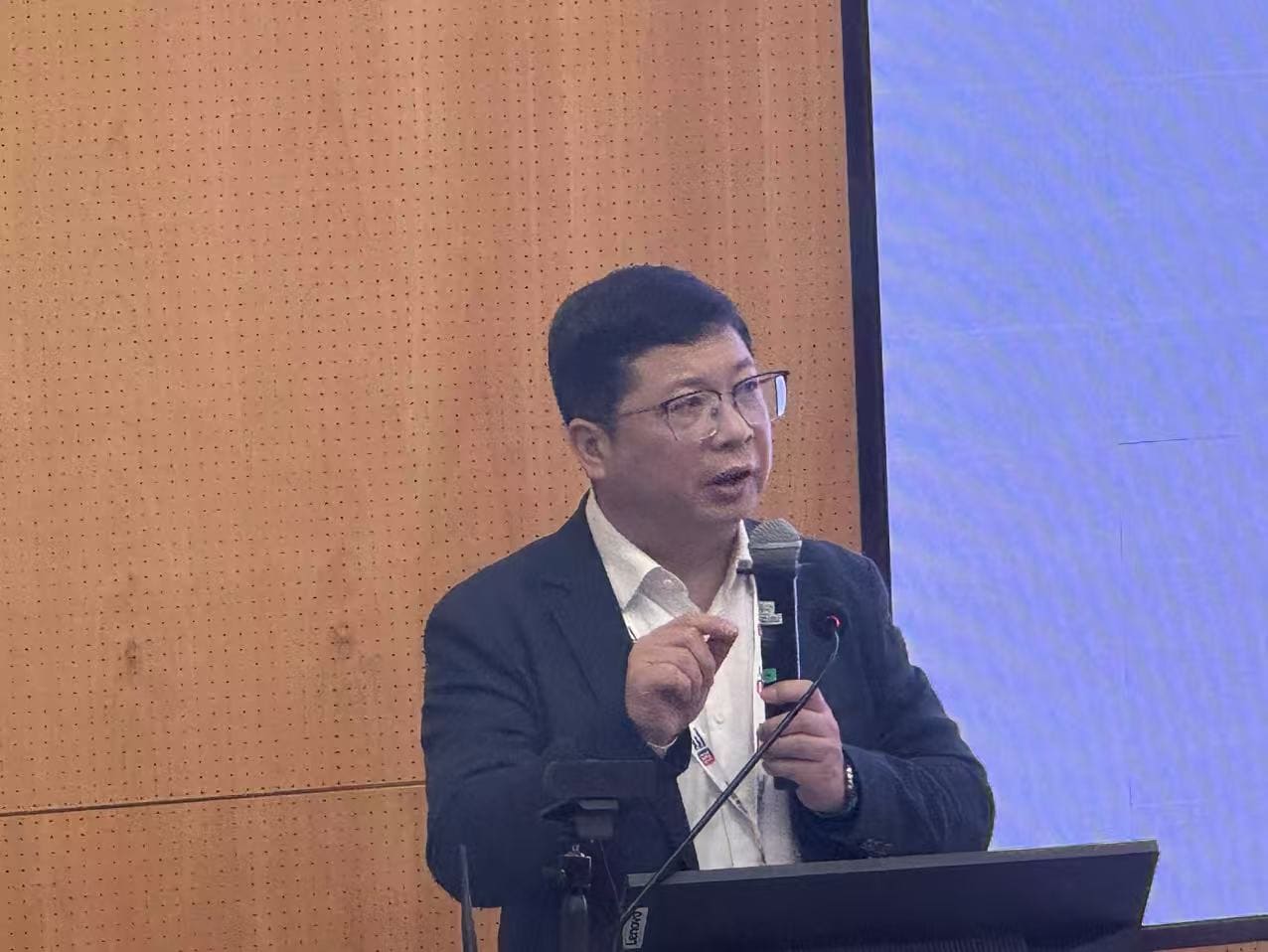
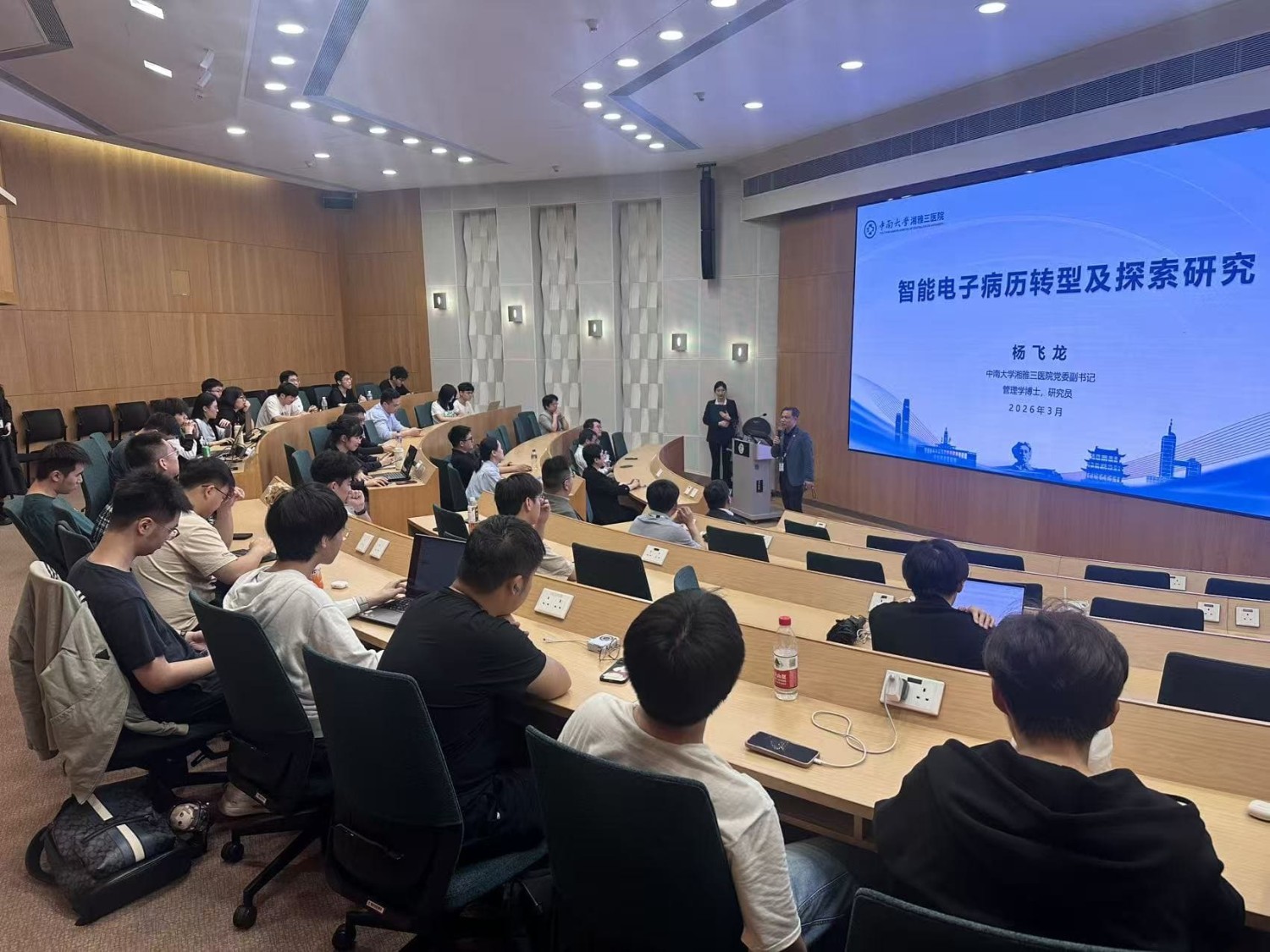
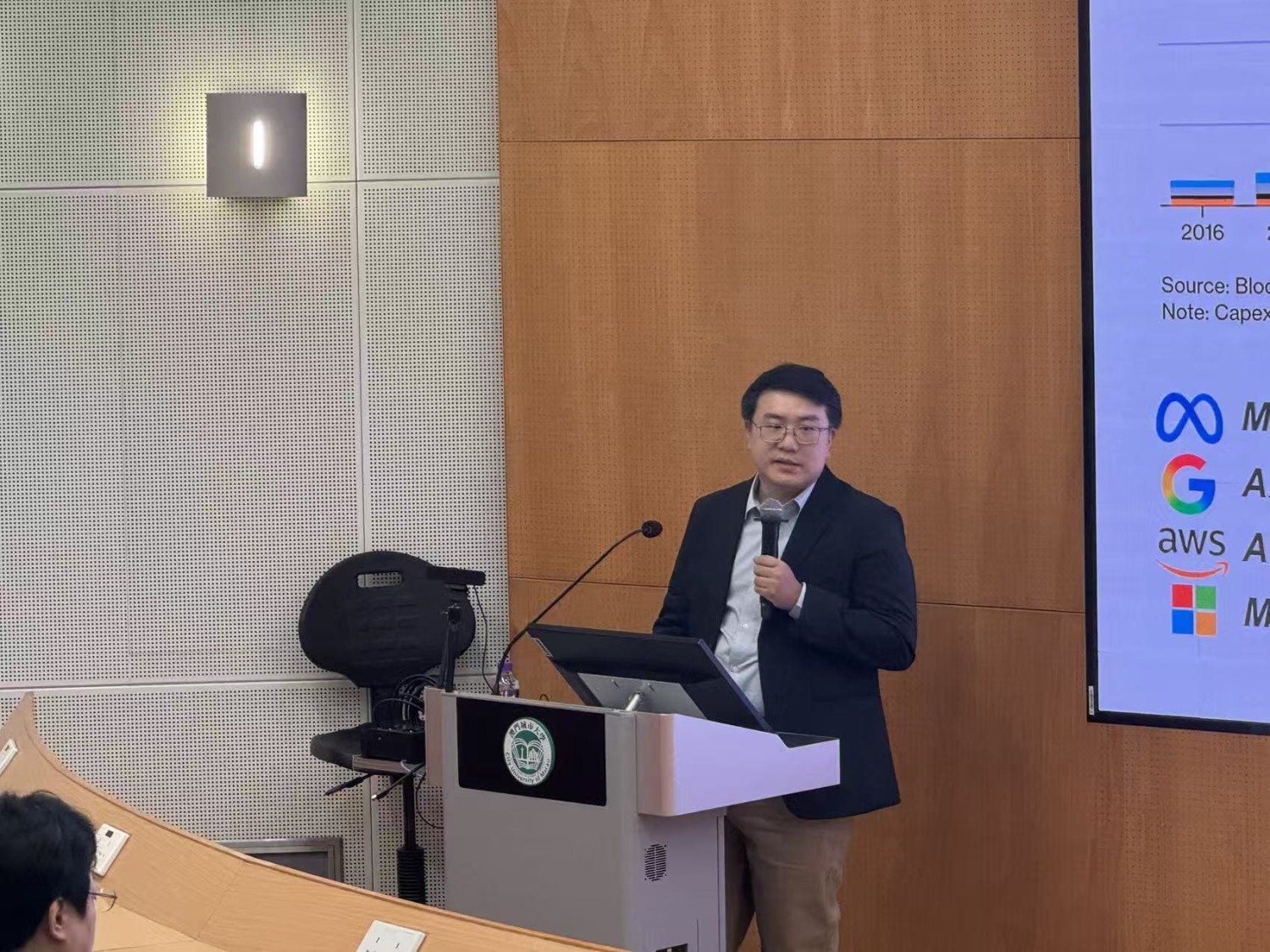
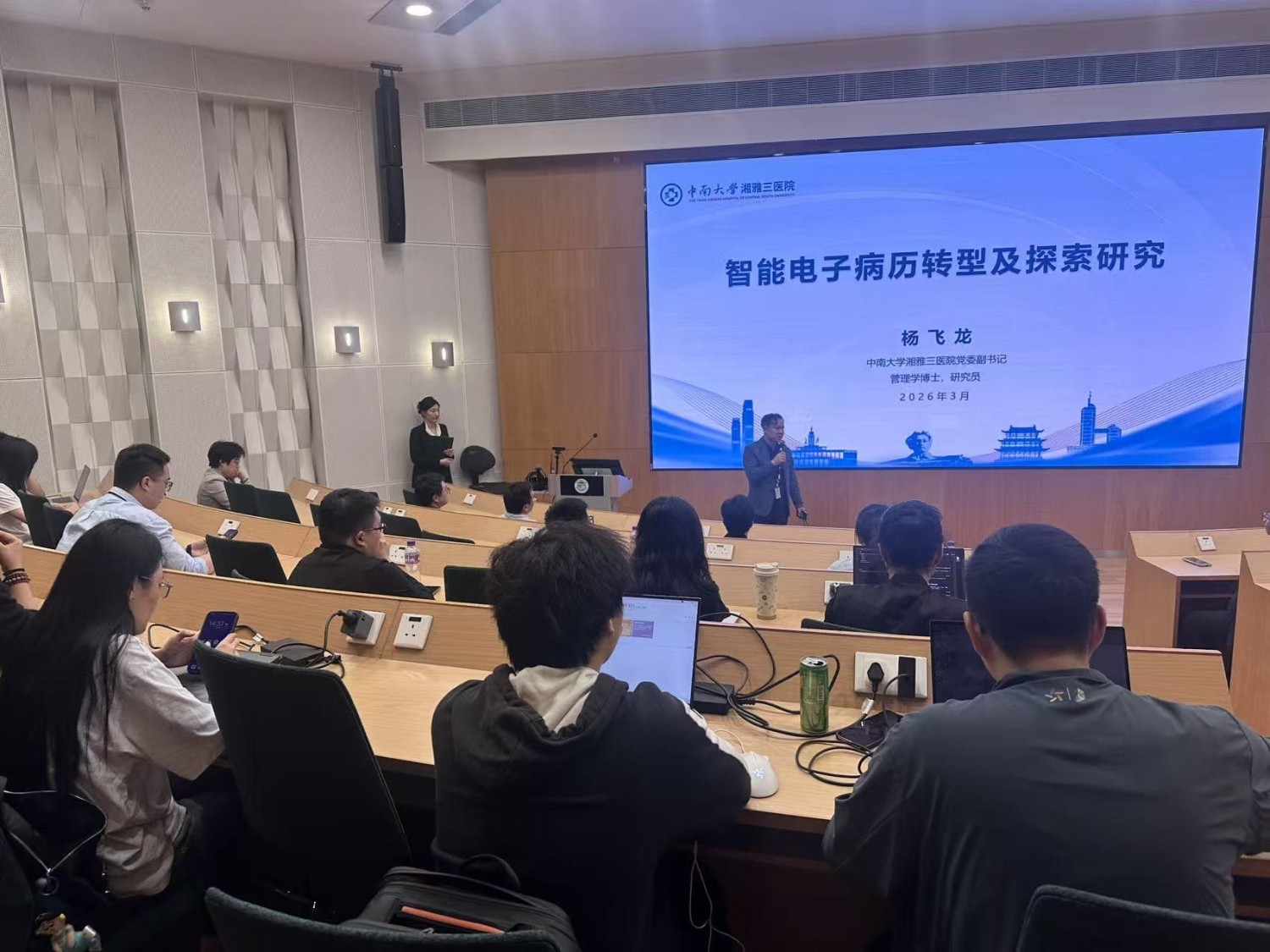
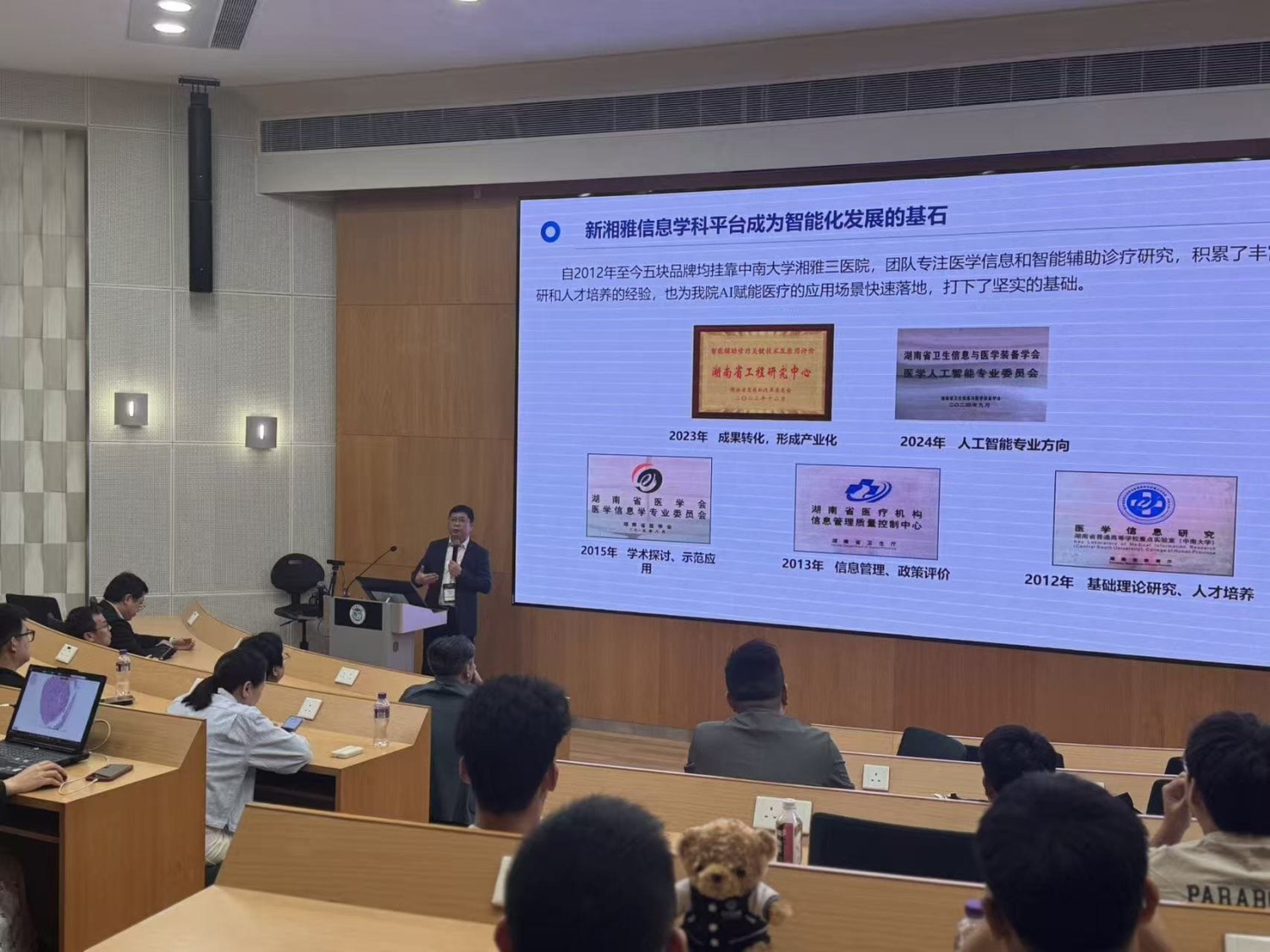
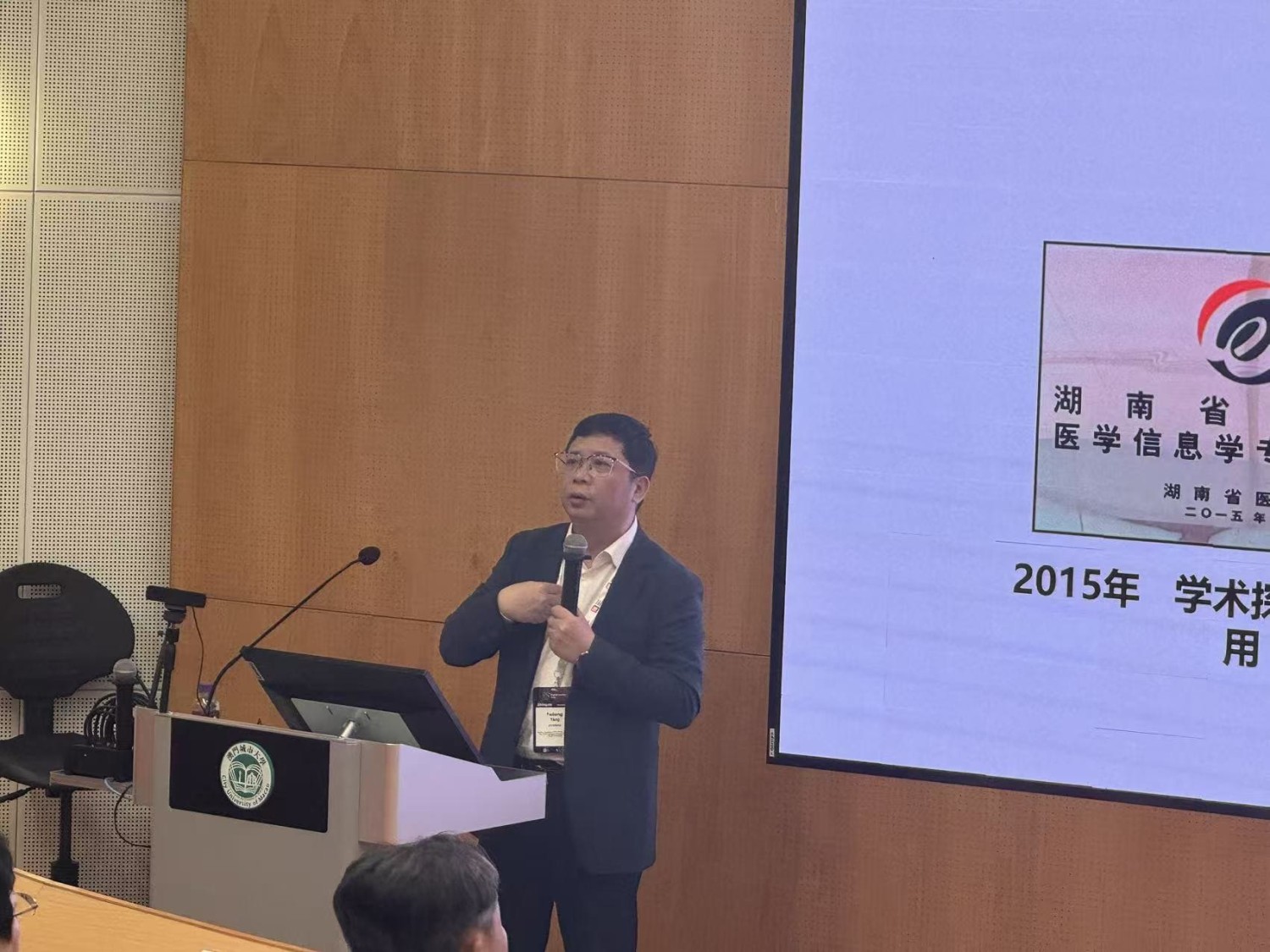
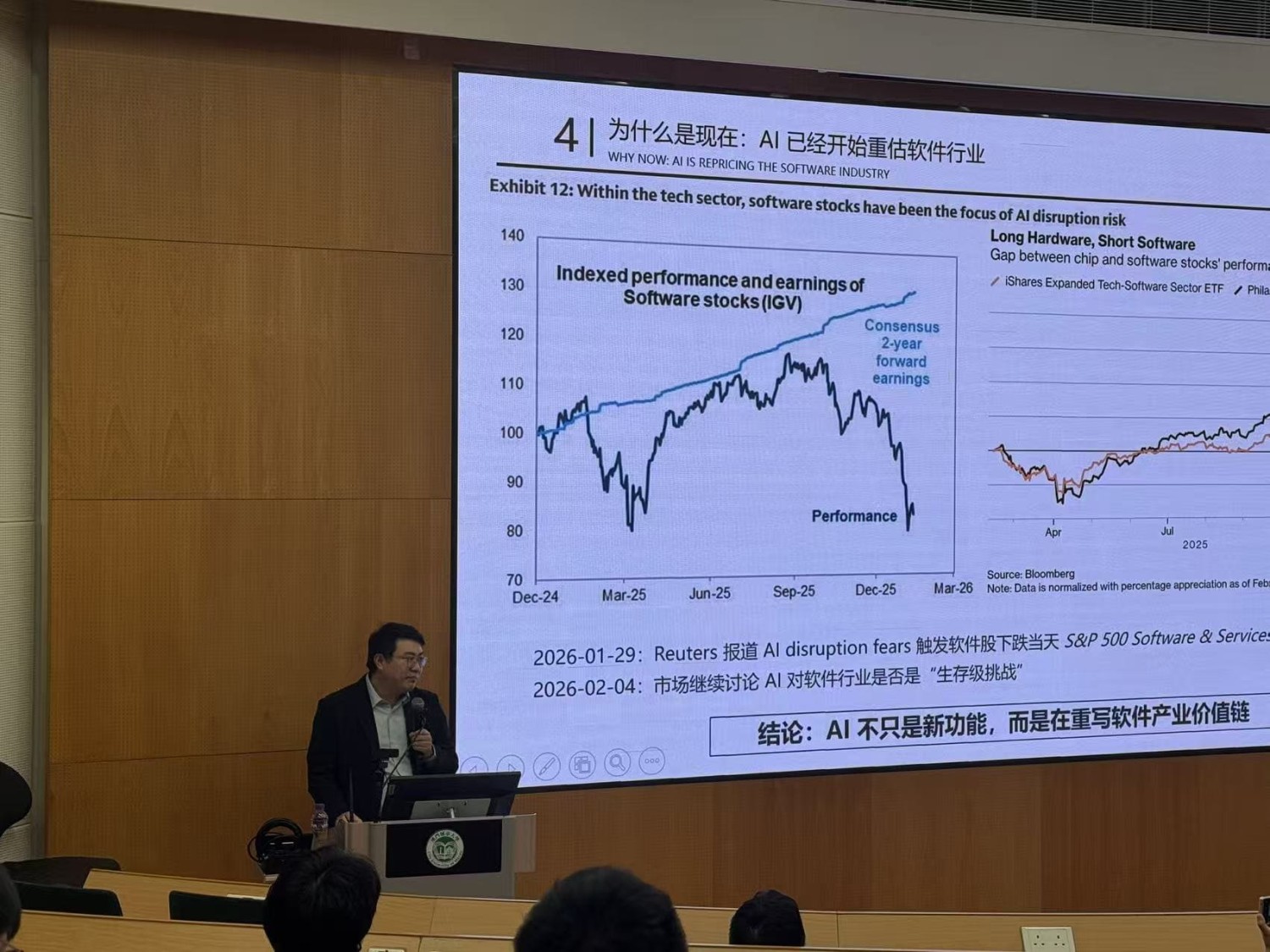
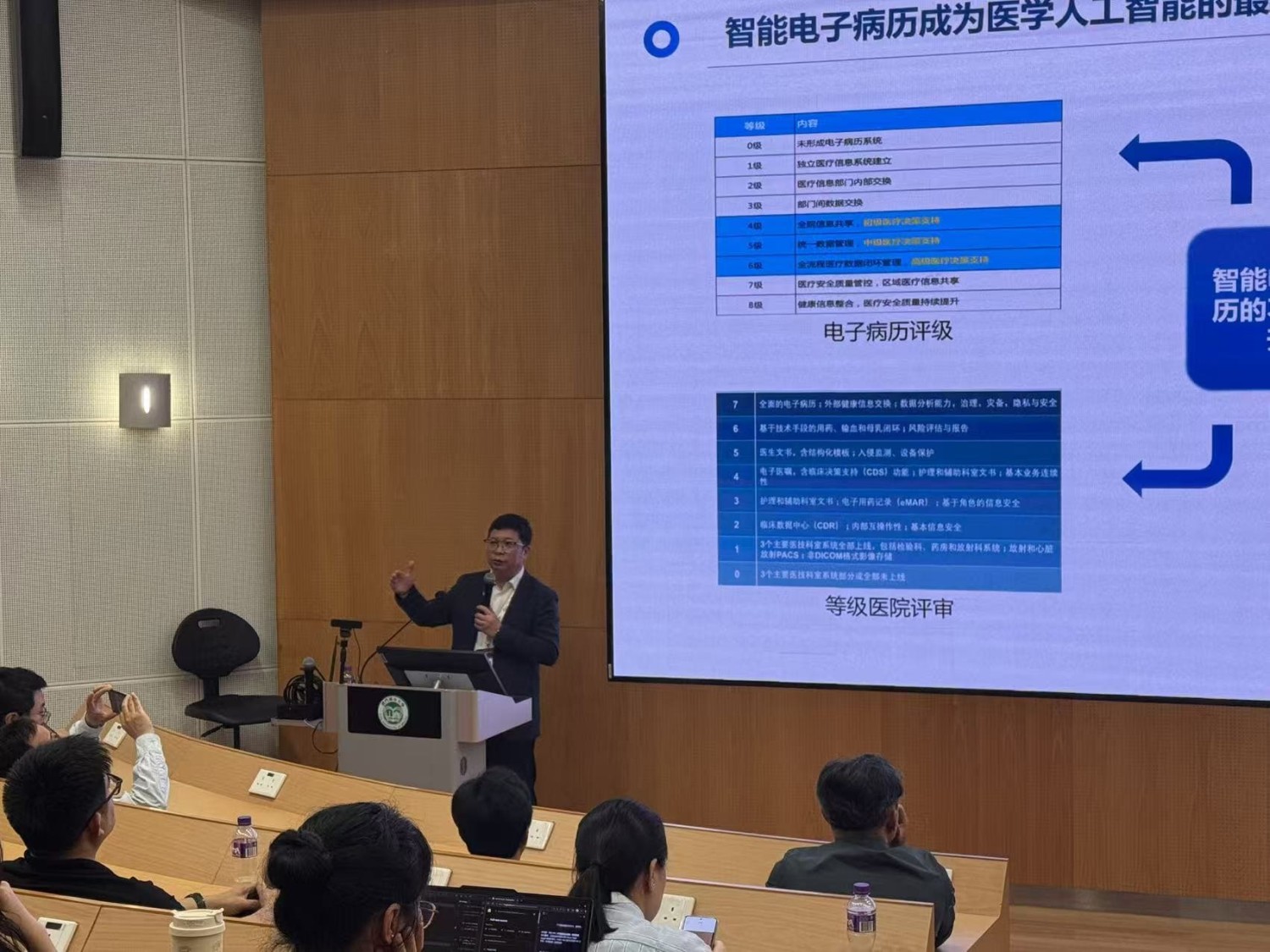
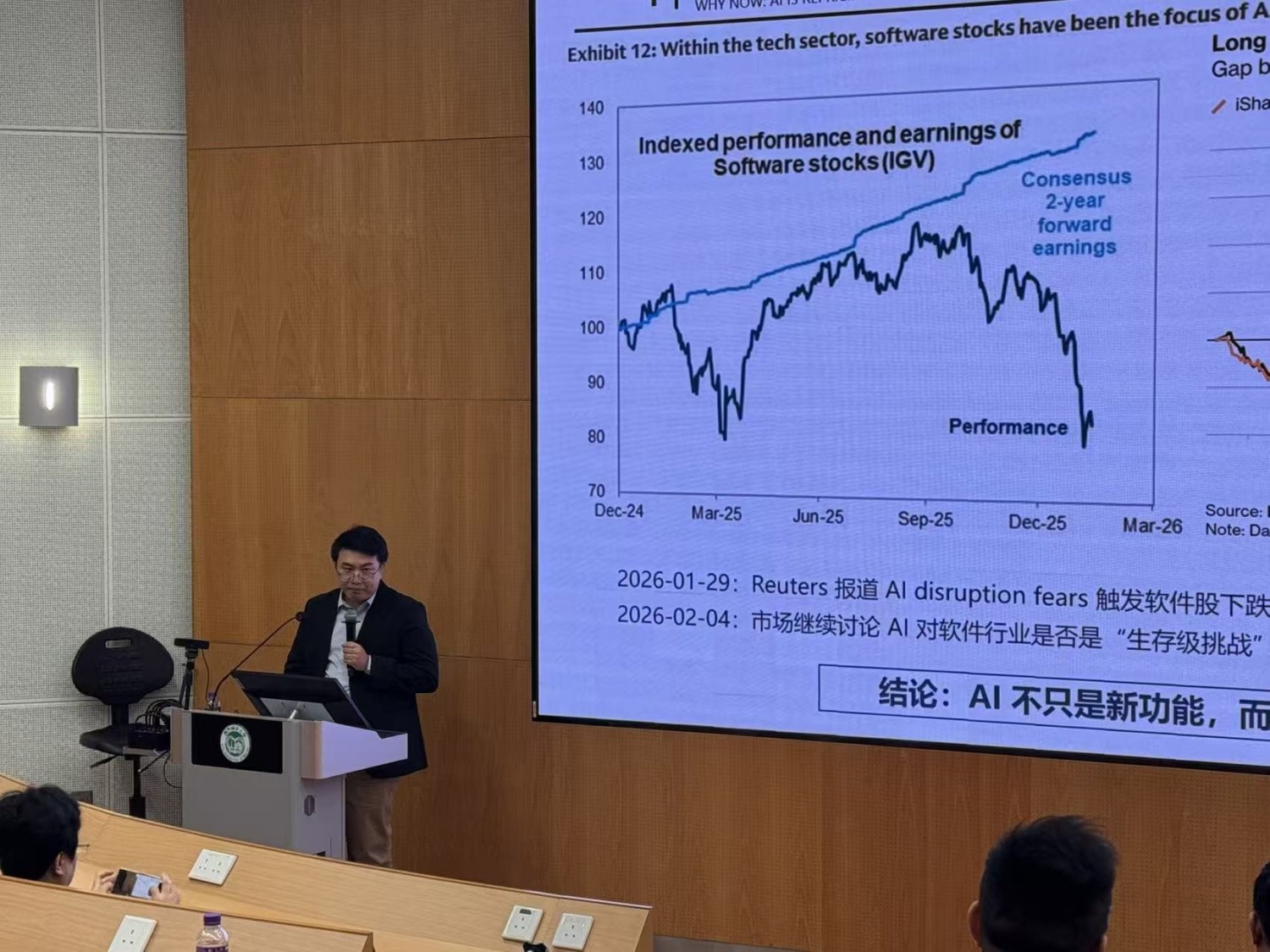
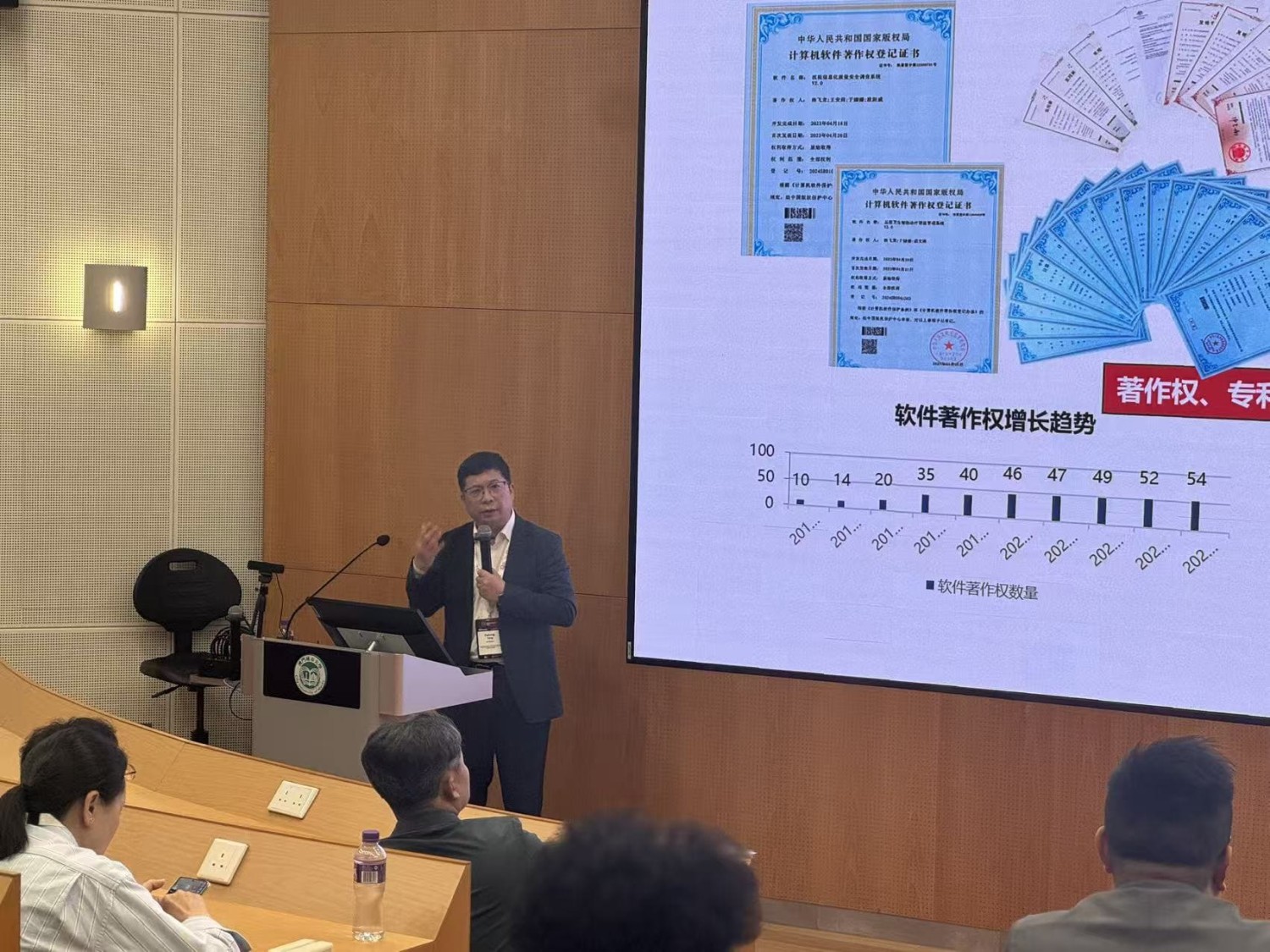
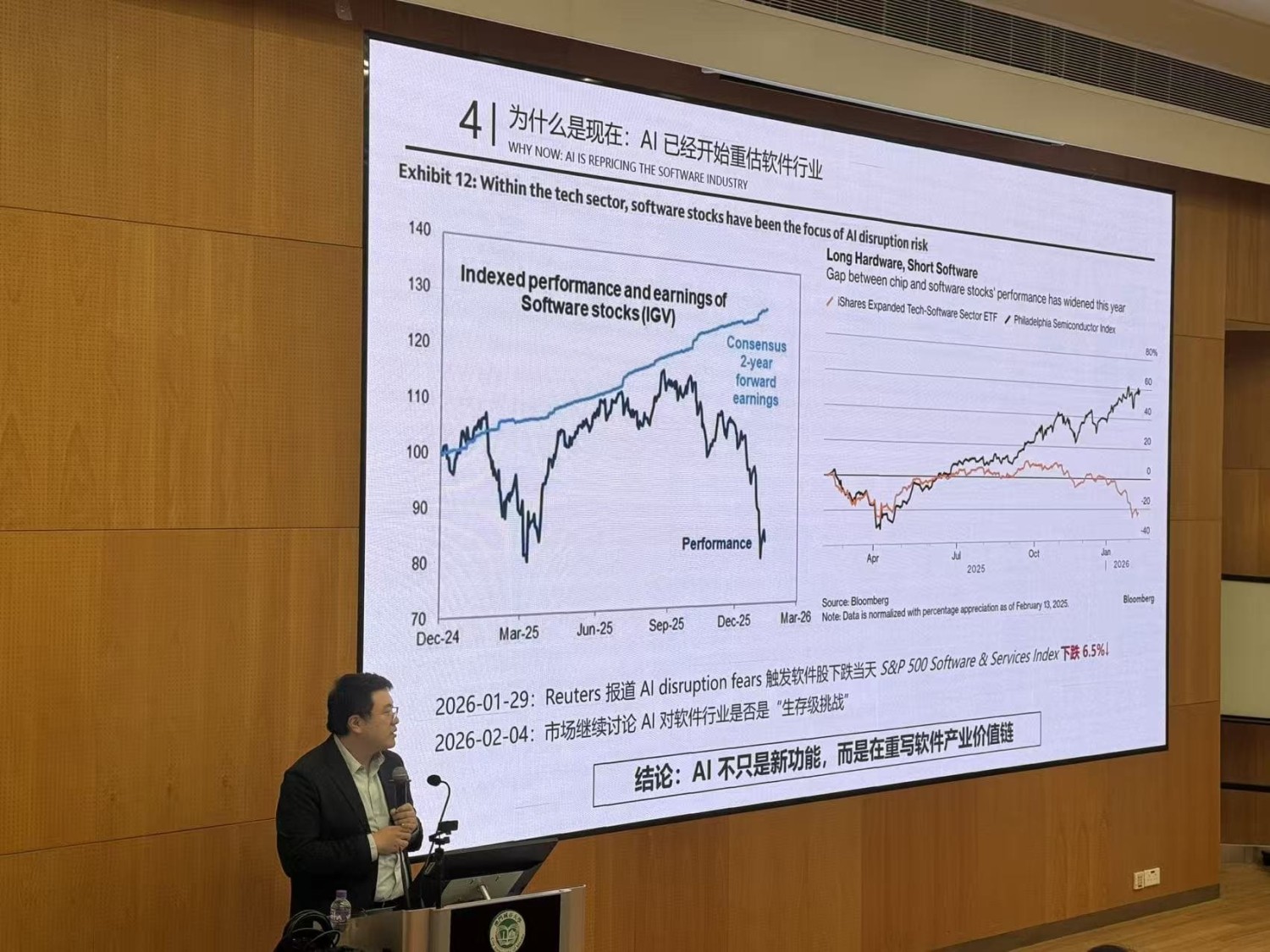
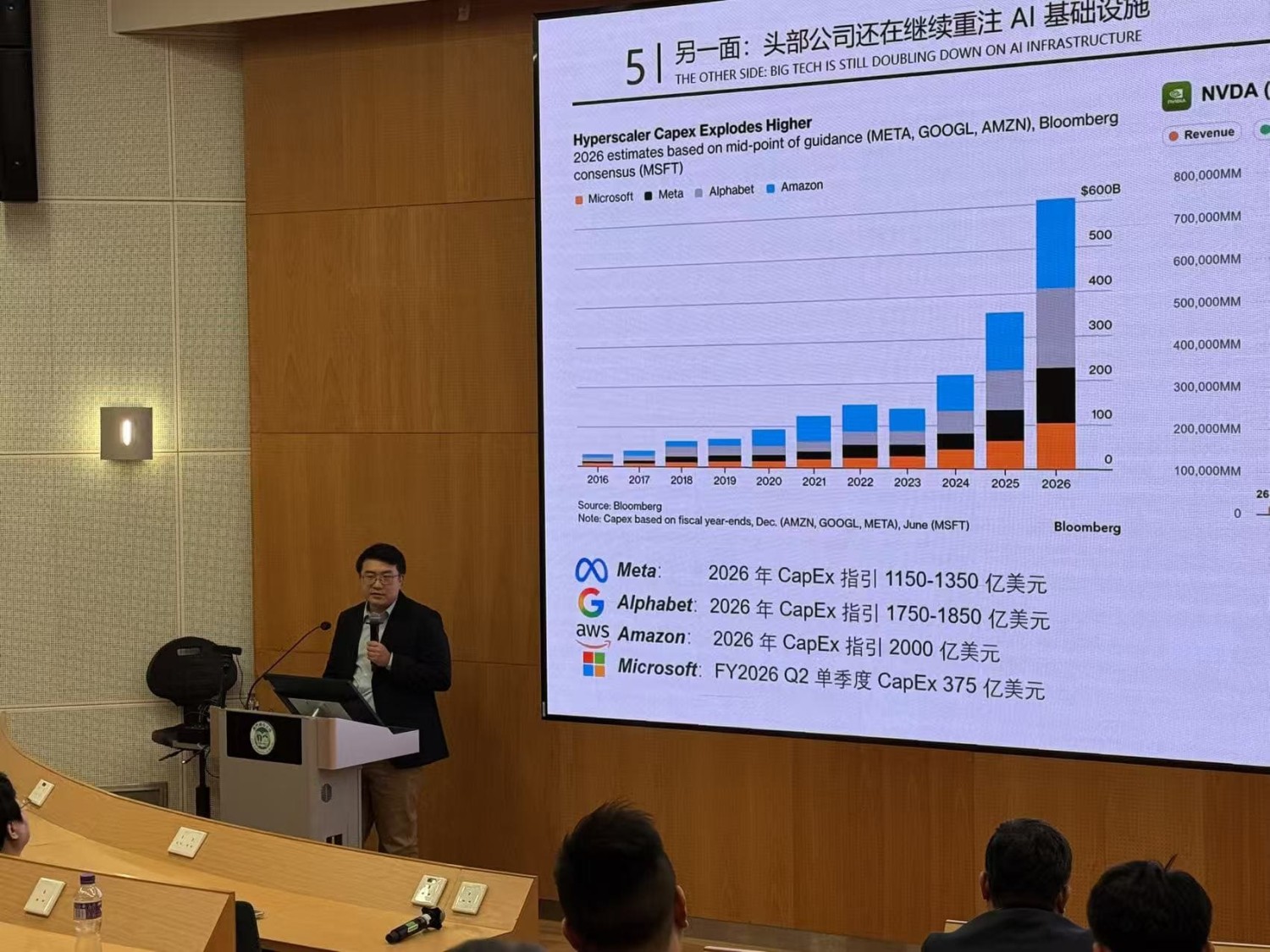
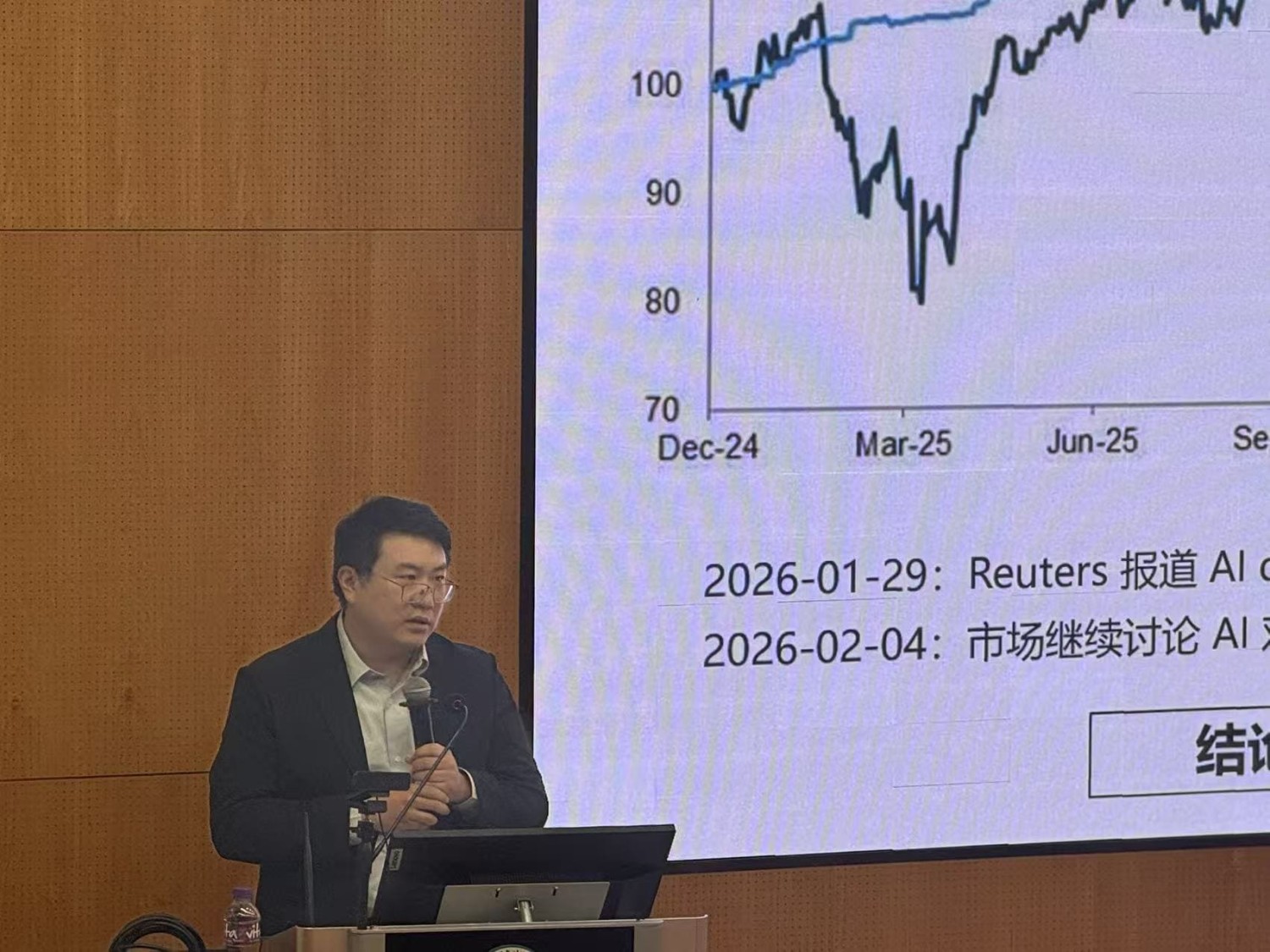
The Faculty of Data Science at City University of Macau held two academic seminars on March 31, 2026, at 2:30 PM in Room HG01 of the Ho Yin Conference Centre. The seminars focused on "Transformation and Exploratory Research of Intelligent Electronic Medical Records" and "Hospital Informatization and Quality Control Operation Construction in the AI Era." Dr. Yang Feilong, Deputy Secretary of the Party Committee of Xiangya Third Hospital of Central South University, and Dr. Gu Wenda, Administrative Director of the Department of Anesthesiology and Head of the Quality Control Operation Department of the First Veterans' Hospital of Guangdong Province, were invited as keynote speakers.
Dr. Yang Feilong is a member of the Communist Party of China, holds a PhD in Management, and is a doctoral supervisor. He currently serves as Deputy Secretary of the Party Committee of Xiangya Third Hospital of Central South University and holds several national and provincial academic positions. He has visited institutions such as Johns Hopkins University and Nanyang Technological University in Singapore. His main research areas are medical information management, artificial intelligence, hospital information quality control, and health information standards. He has presided over more than 20 provincial and ministerial-level research projects, edited 4 monographs, and published more than 20 papers in core journals. He has achieved significant results in the localization deployment of intelligent electronic medical records and the application of large-scale models such as DeepSeek and Qwen.
Dr. Gu Wenda, MD, is an associate chief physician and currently serves as the administrative director of the Department of Surgical Anesthesia and the administrative head of the Quality Control and Operations Department at the First Veterans' Hospital of Guangdong Province. He has previously held clinical and management positions at institutions such as Peking University People's Hospital and Guangdong Provincial People's Hospital. He has long been engaged in research on minimally invasive strategies for cardiovascular surgery, the construction of an integrated quality control and operation system for modern hospitals, and the comprehensive deployment and application of artificial intelligence technologies in hospitals. He currently holds positions in several academic societies, including the Chinese Research Hospital Association.
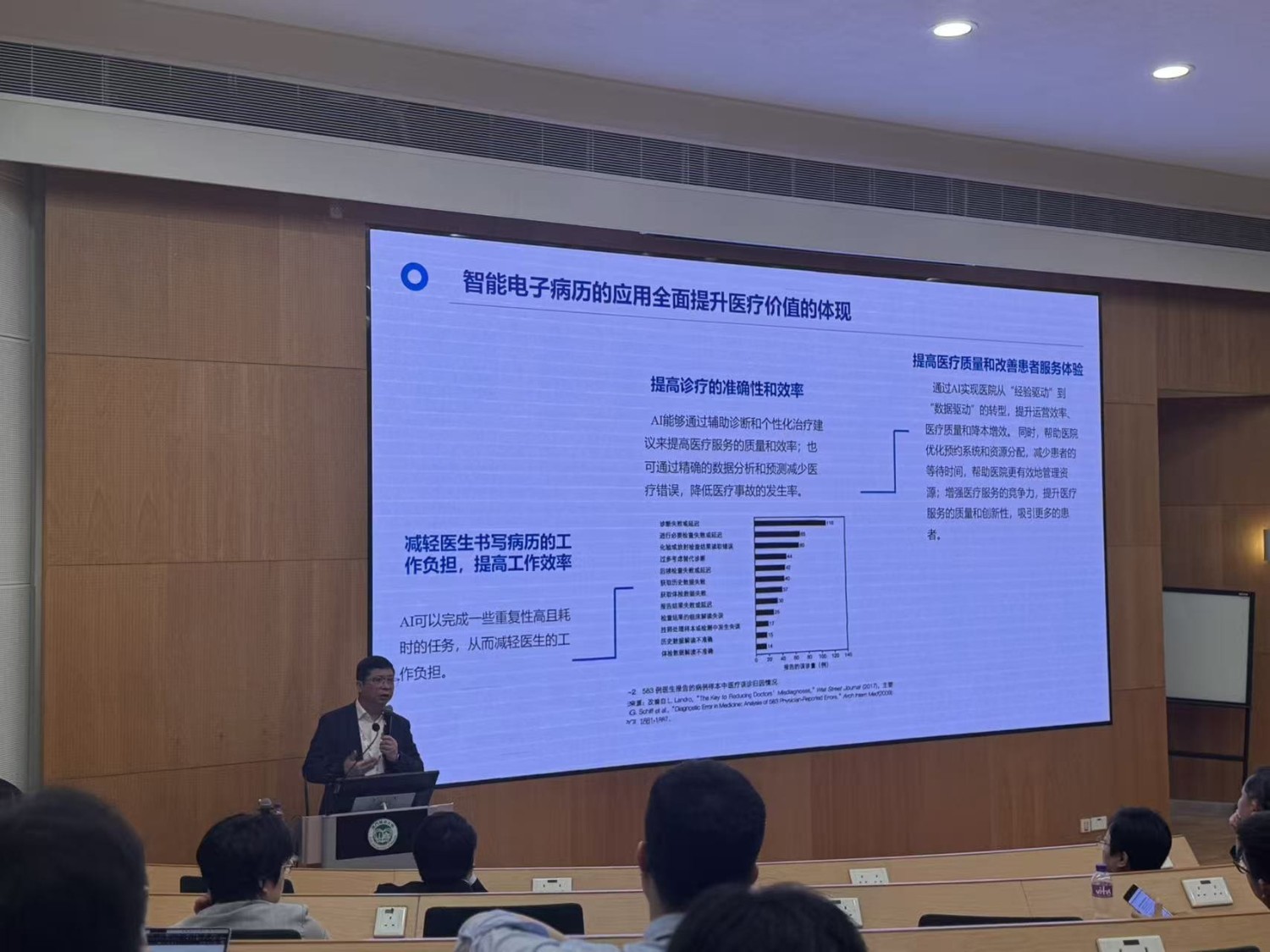
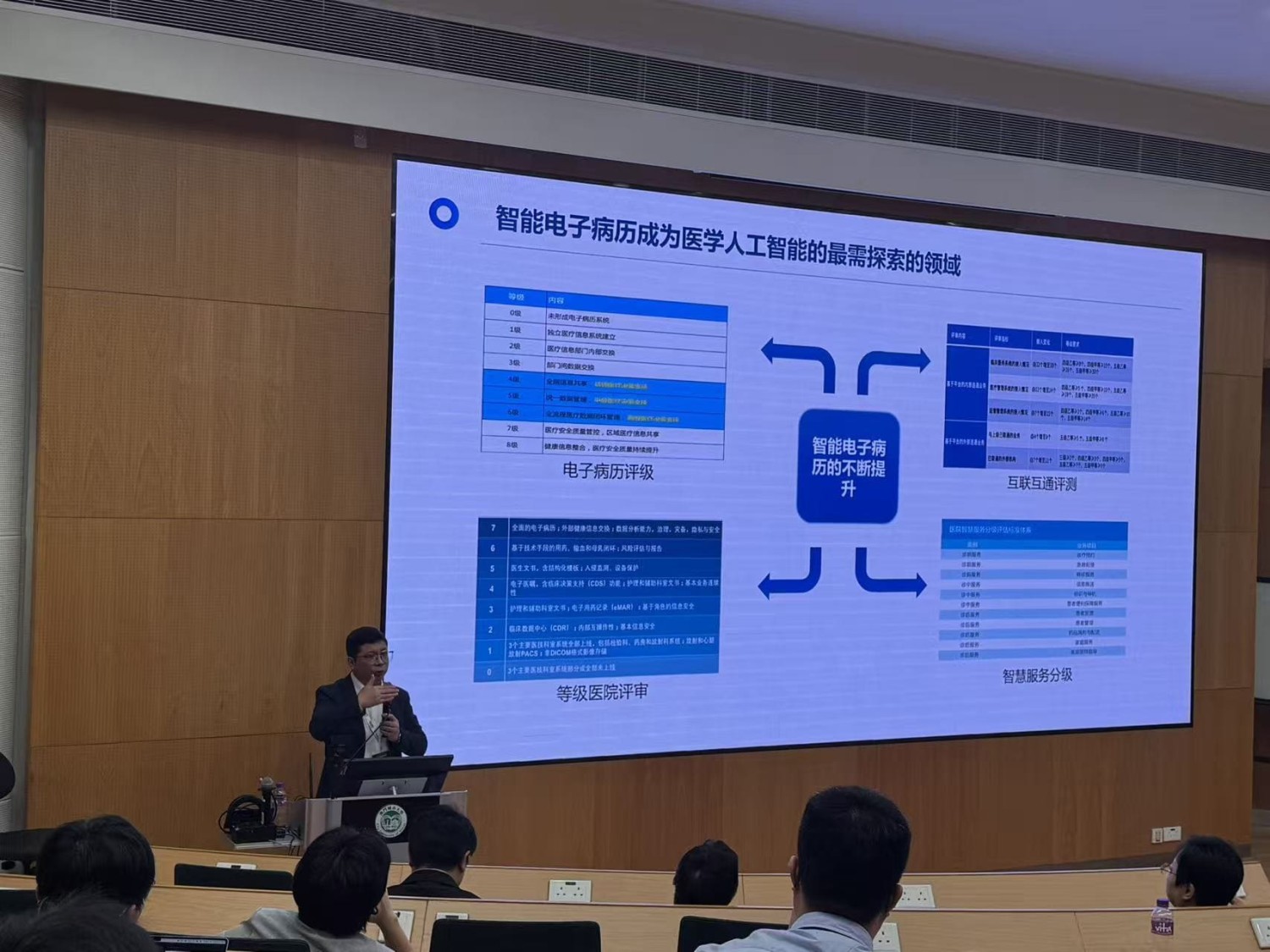
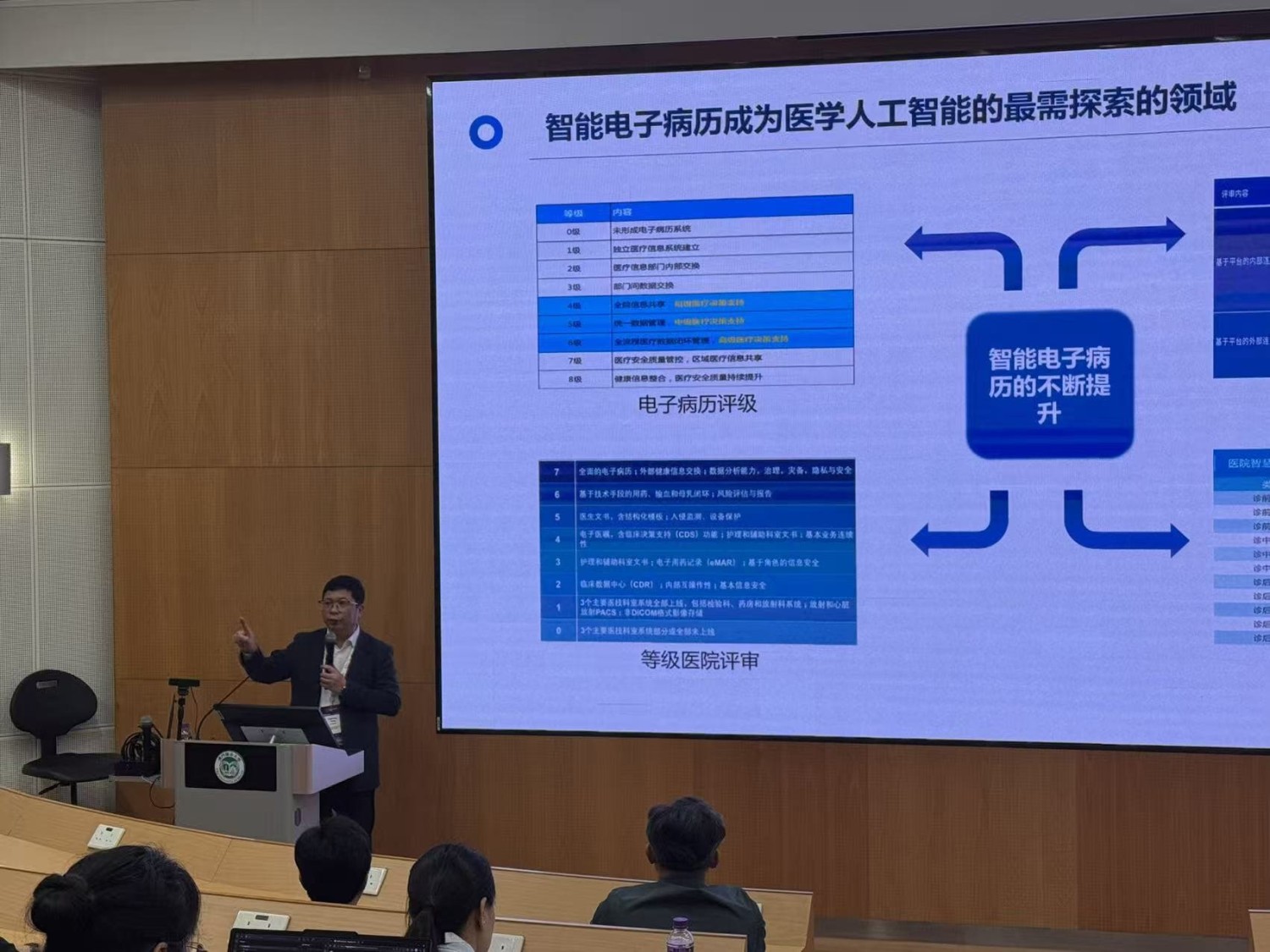
In his lecture, Dr. Yang Feilong presented on "Transformation and Exploratory Research of Intelligent Electronic Medical Records," systematically introducing the evolution of electronic medical records from structured and paperless to intelligent. He shared in detail the experience of Xiangya Third Hospital in building an intelligent electronic medical record system integrating generation, quality control, medical insurance, and auxiliary medical care, as well as the practical results of promoting the application of intelligent electronic medical records in multiple medical institutions based on Xiangya's big data knowledge graph of billions of data points, combined with large models such as DeepSeek and Qwen.
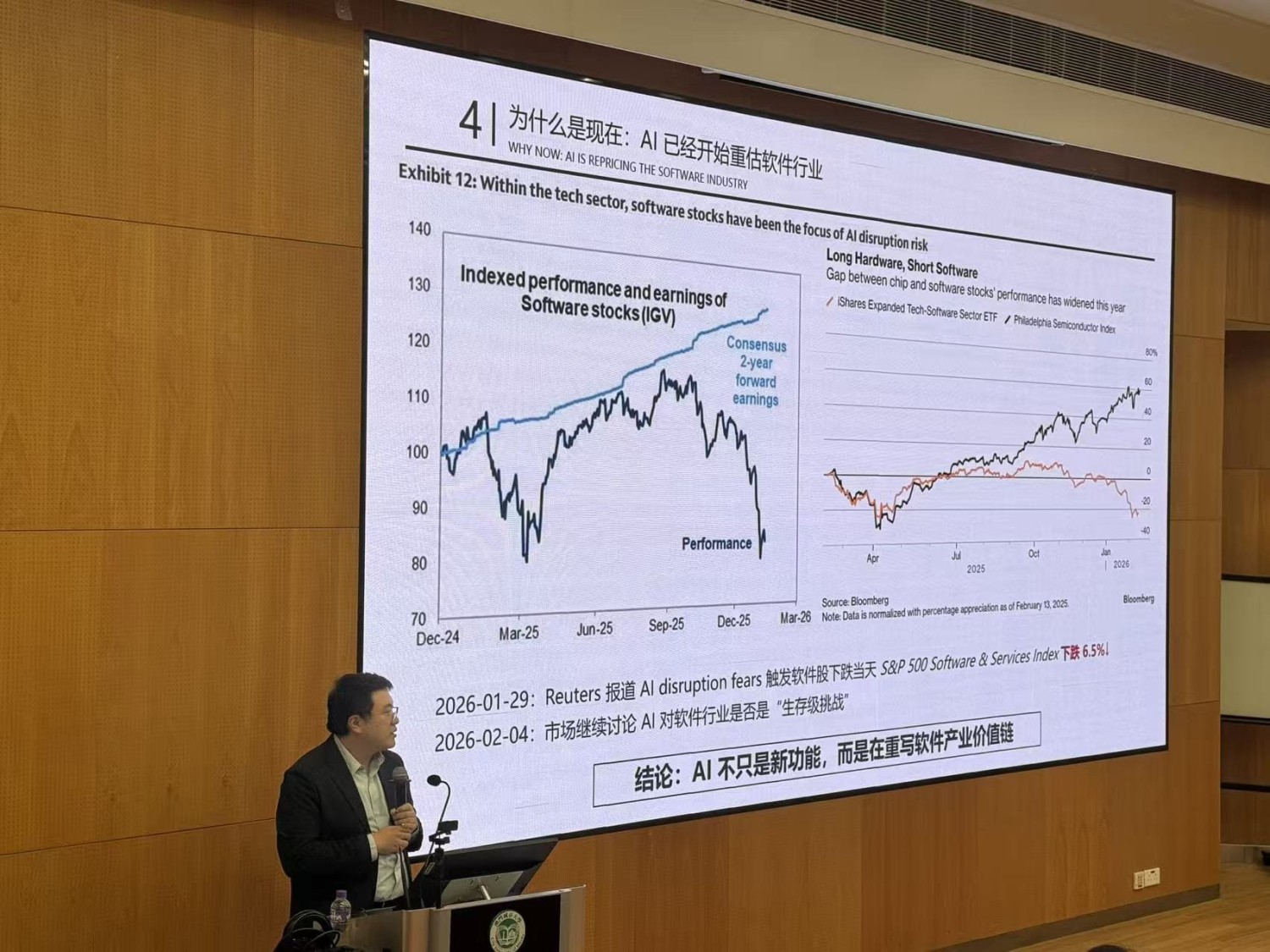
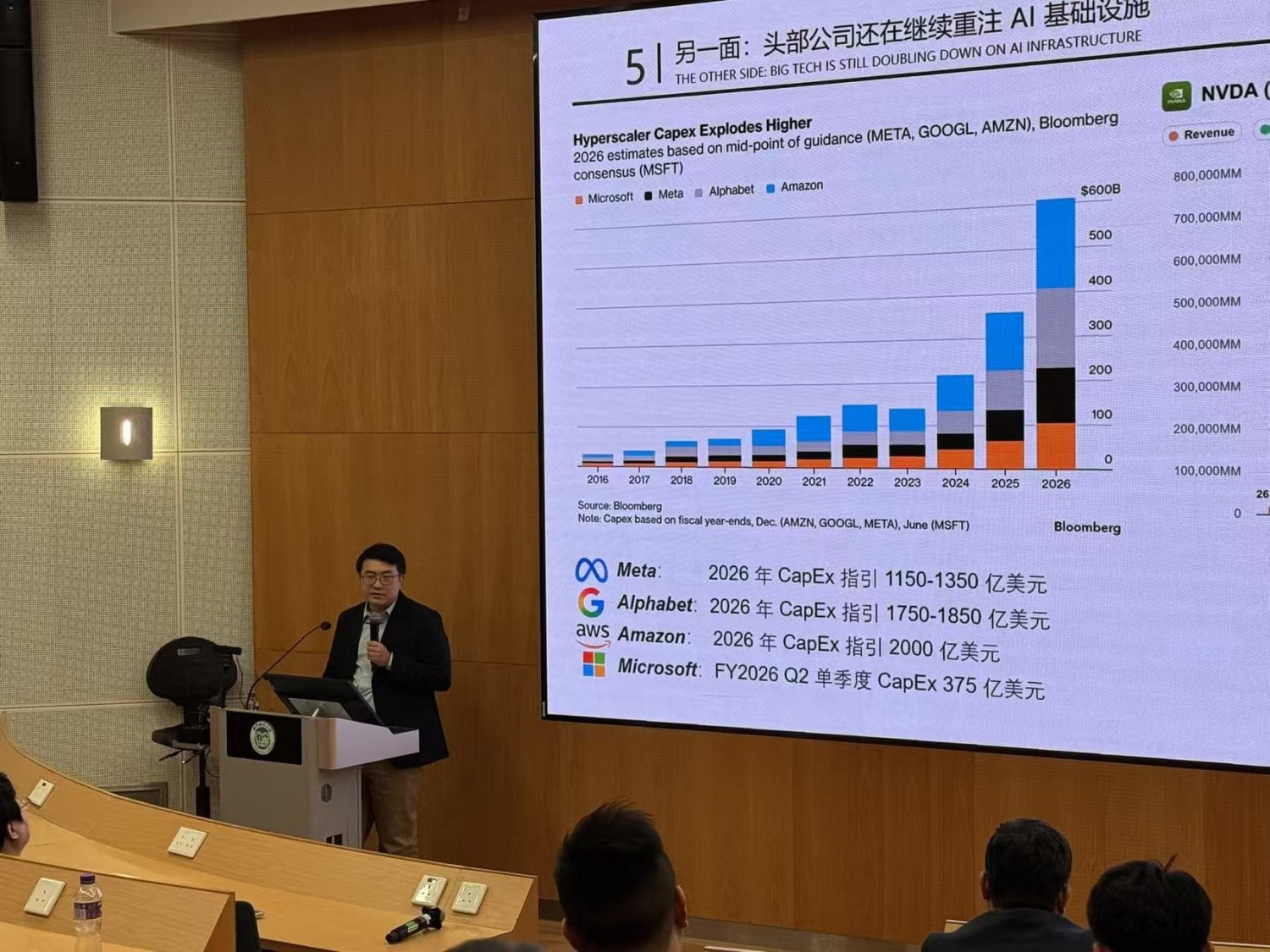
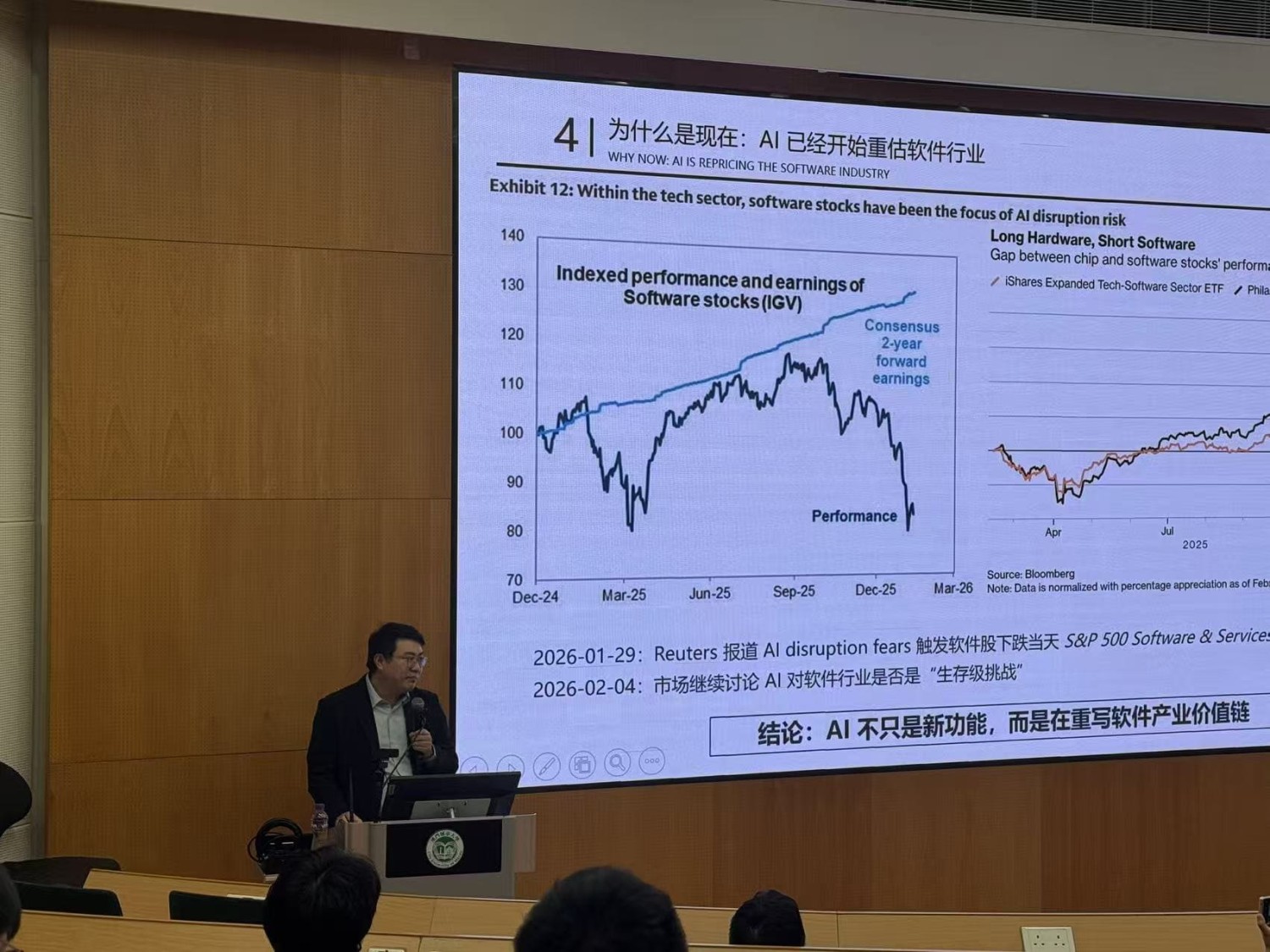
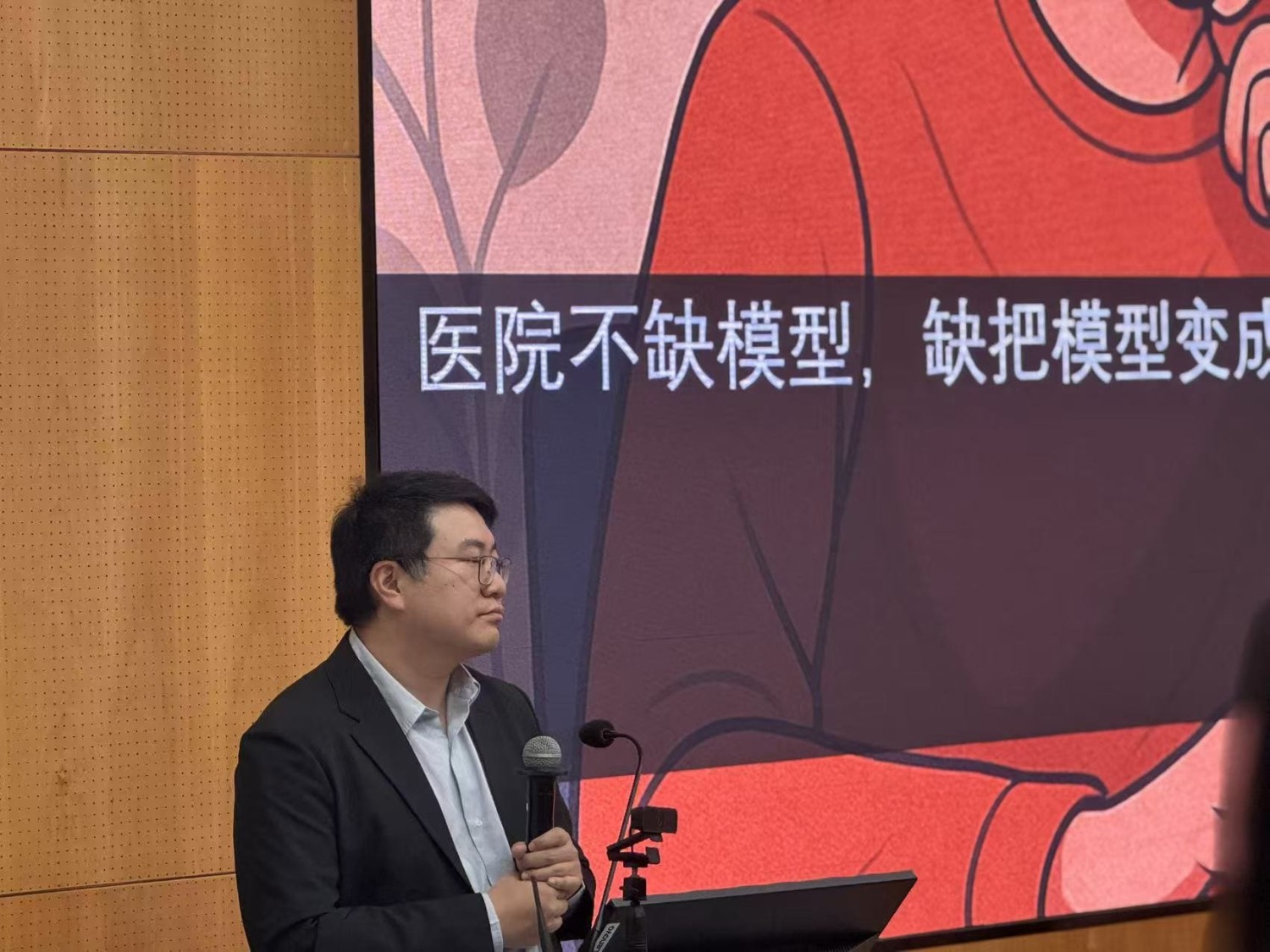
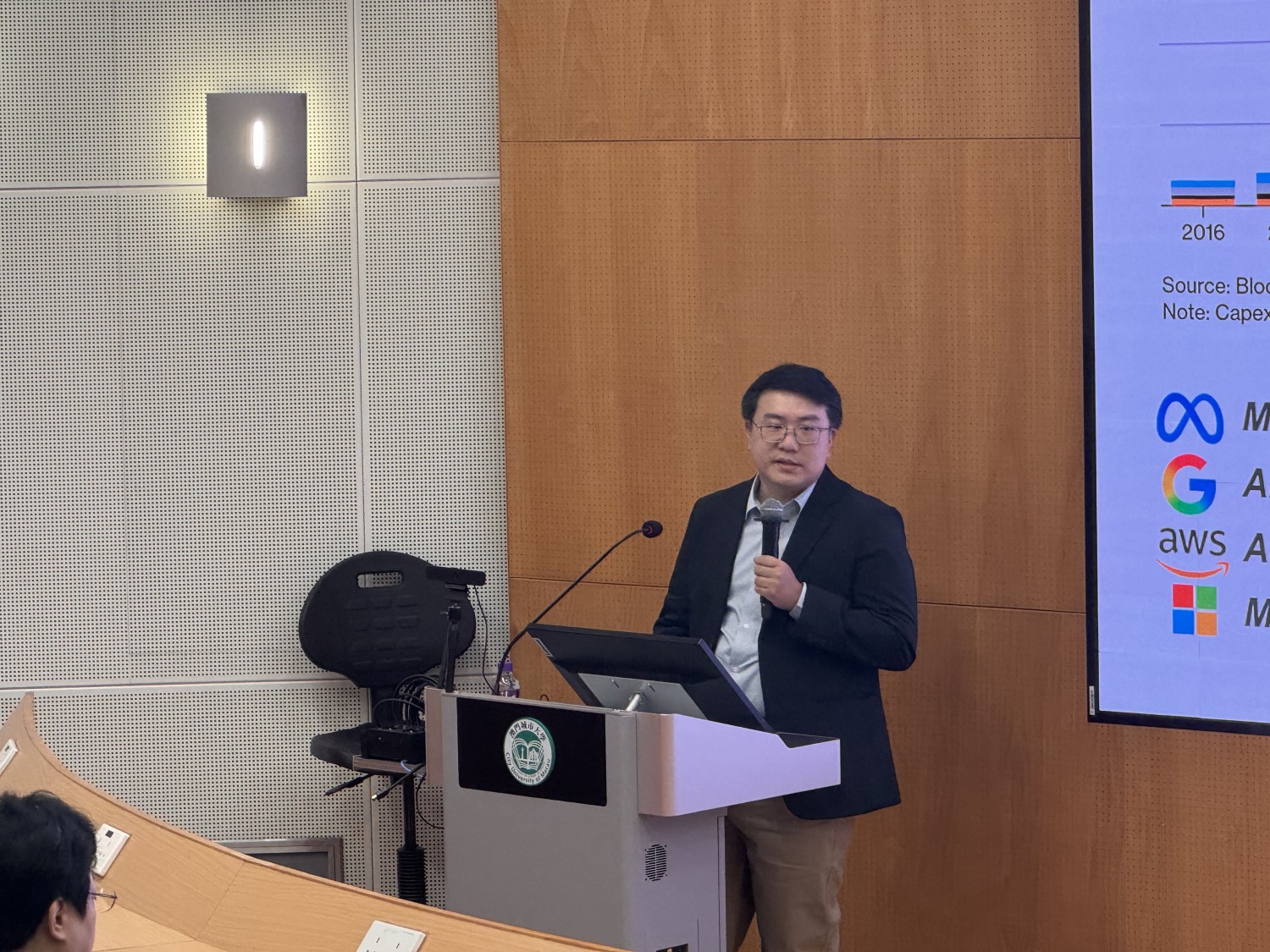
Dr. Gu Wenda presented on "Hospital Informatization and Quality Control Operation Construction in the AI Era," drawing on his rich clinical and management experience to deeply analyze how emerging technologies such as AI Agents and Vibe Coding can help hospitals break through the bottlenecks of traditional informatization. Through multiple real-world cases, he shared his experience in implementing DIP payment reform auxiliary tools, in-hospital collaboration efficiency platforms, RAG knowledge bases, and private AI platforms. He emphasized that in the highly regulated and complex hospital environment, the "Quick Wins First" methodology should be adhered to, starting with high-frequency, low-risk scenarios and gradually building a composite capability of technology + product + scenario + governance.
The two guest speakers shared rich content and vivid, real-world examples, offering both a macro-level perspective and practical pathways, sparking lively discussions and interactions among the faculty and students in attendance. The content covered hot topics such as the challenges of promoting intelligent electronic medical records in hospitals of different sizes, the illusion control of large-scale models in medical scenarios, and how cross-disciplinary talent can better integrate into the construction of smart healthcare. Attendees expressed that the lecture not only deepened their understanding of the practical applications of AI in the medical field but also provided valuable ideas and practical inspiration for the interdisciplinary research of data science, artificial intelligence, and medicine.
This lecture attracted numerous faculty, students, and researchers from both within and outside the university, providing a high-quality exchange platform for promoting the deep integration of data science and smart healthcare.
