
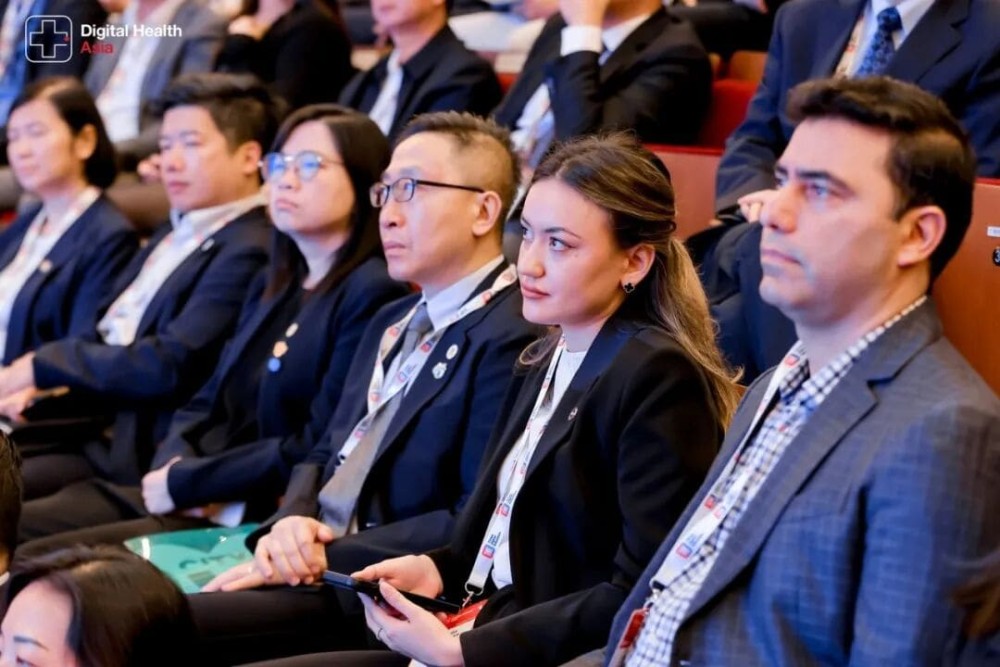
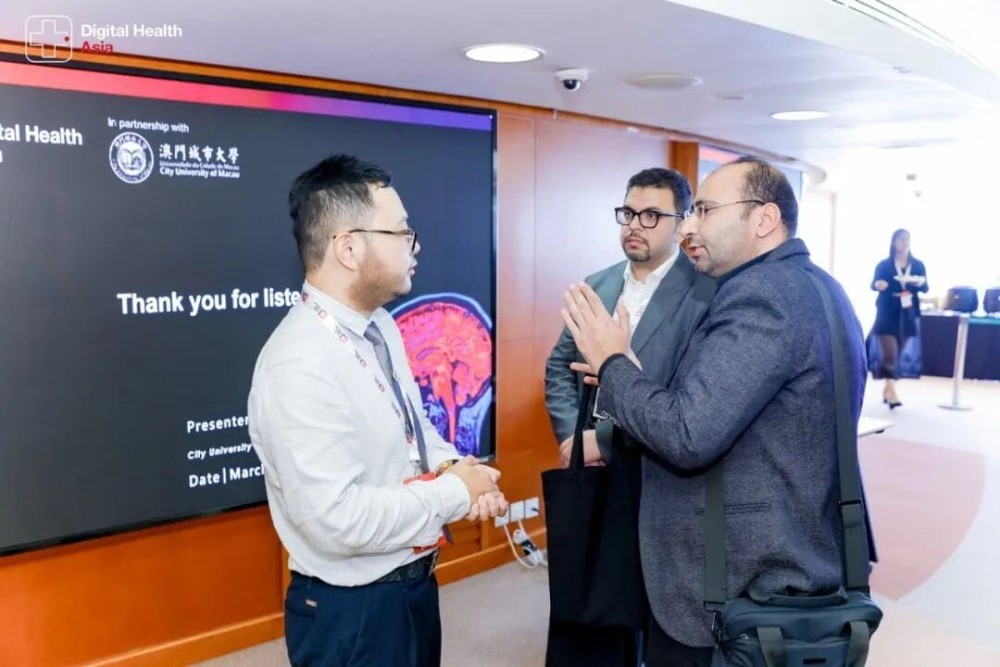
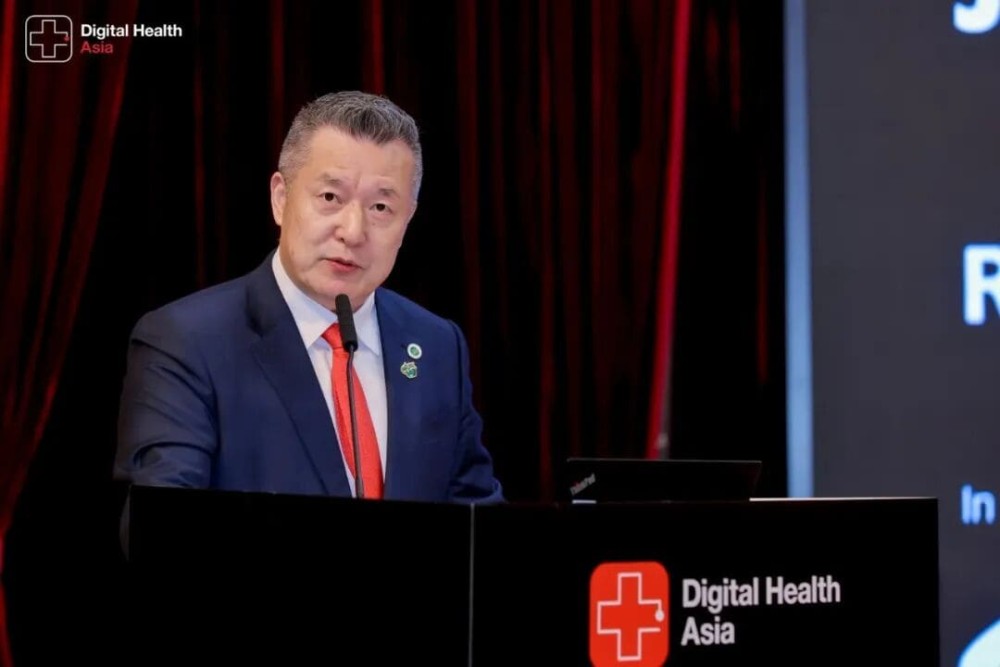
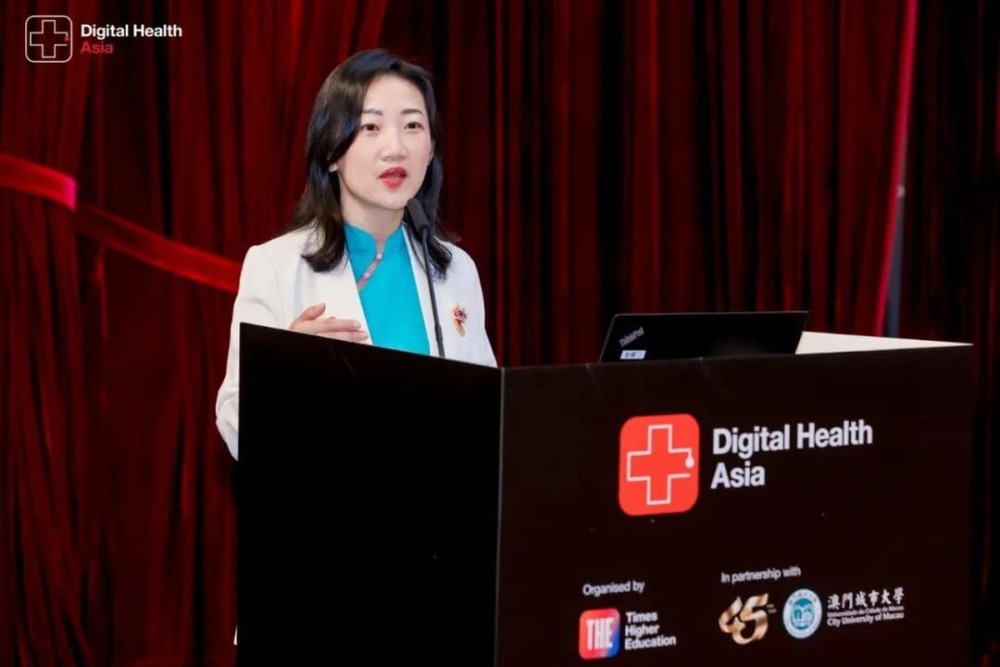
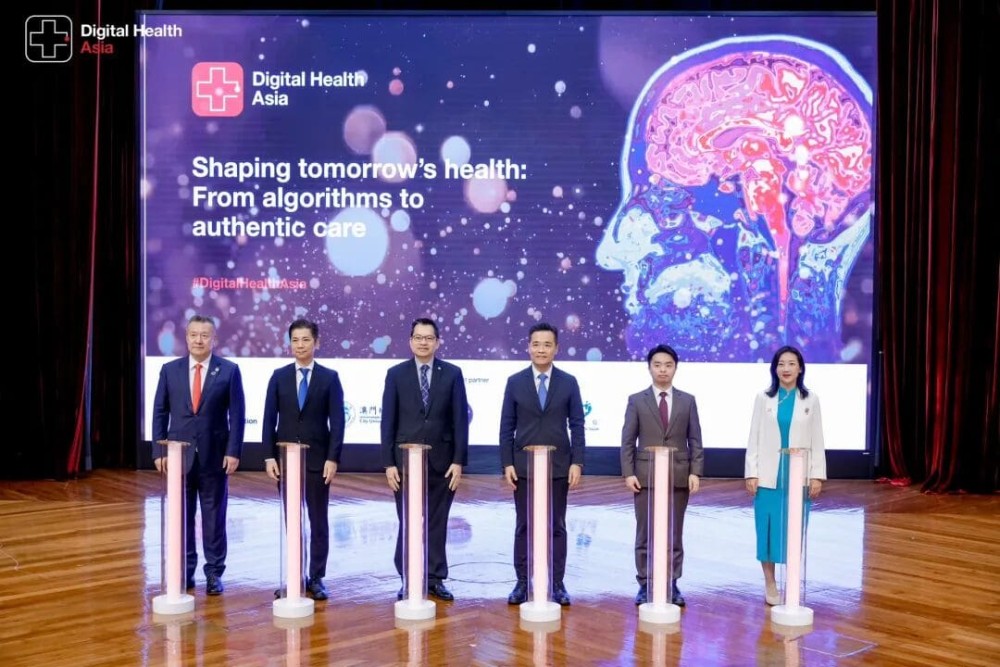
The 2026 Digital Health Asia 2026, jointly organized by City University of Macau and Times Higher Education, opened today (30) at CityU’s Taipa campus. As the highlight of CityU’s 45th anniversary celebrations, the conference is themed “Shaping Tomorrow’s Health: From Algorithms to Authentic Care”. The summit was attended and presided over by Macao Special Administrative Region Health Bureau Secretary Lo Yilong, Macao Science and Technology Development Fund Executive Committee Chairman Yu Yusheng, Macao Special Administrative Region Education and Youth Development Bureau Deputy Secretary Ding Shaoxiong, Acting Dean of Earl Ren Comprehensive Hospital Dai Huahao, Times Higher Education Asia Pacific President Mei Mei Lim and CityU President Lau Jun attended and officiated the summit.
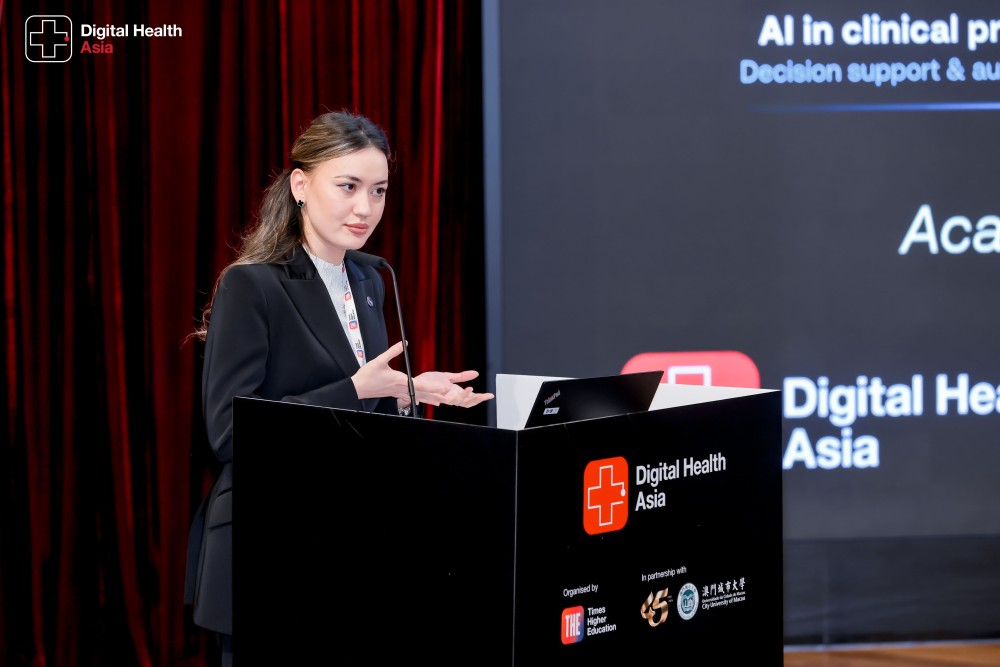
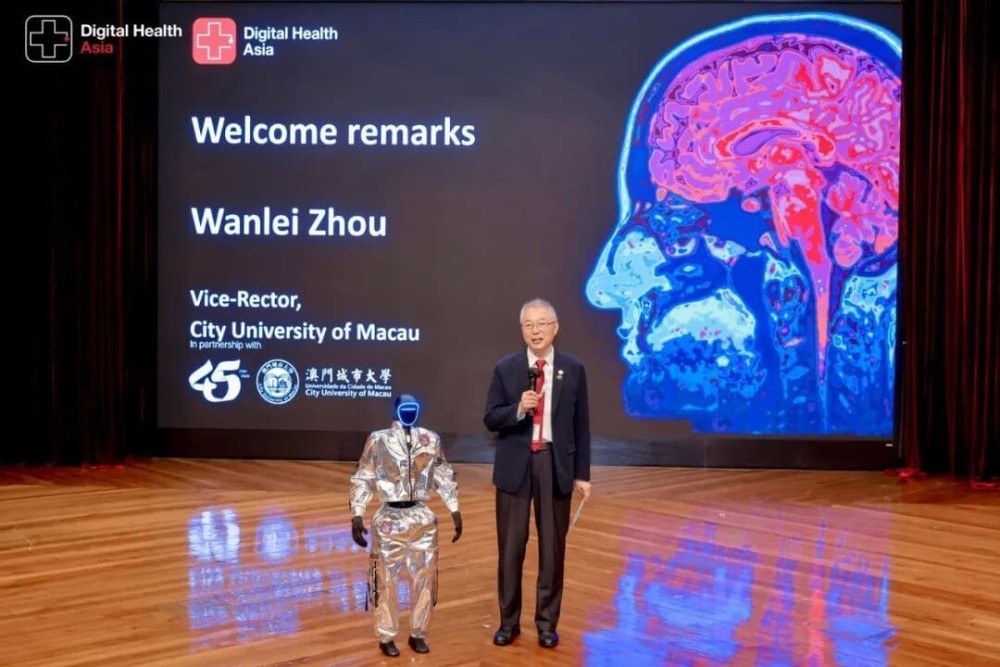
CityU Vice President Zhou Wanlei, together with the robot Health Bot, delivered a unique opening speech, warmly welcoming scholars from around the world. He pointed out that artificial intelligence technology is profoundly reshaping the health field, with wearable devices providing early warnings of health risks, virtual assistants facilitating home-based health care, and generative AI demonstrating enormous potential in areas such as drug development. CityU's School of Health Sciences and School of Data Science are working closely together to actively promote the digitalization of traditional Chinese medicine, AI-assisted research on herbal compatibility and meridian mapping, and place cybersecurity and data protection at the core. He believes that innovation and cooperation are key to promoting health development in Asia and hopes that this conference will be a platform for the exchange of ideas and the sparking of inspiration.
In his opening remarks, President Liu Jun welcomed top scholars and guests from 20 countries and regions and expressed his gratitude to the Macao SAR Government for its strong support for innovation, education, and healthcare development. He noted that the Asian digital health market is experiencing explosive growth, with AI-driven diagnostic technologies becoming a key focus. This summit features keynote speeches, thematic forums, interactive workshops, and innovative case studies, focusing on cutting-edge topics such as preventative medicine, the integration of traditional Chinese medicine and digital health, and AI-assisted drug development. It also showcases the university's research achievements in surgical robots and intelligent diagnostic systems. President Liu Jun continued, stating that Macao, as a crossroads of Eastern and Western cultures, hopes that participants will not only engage in academic exchanges but also experience the cultural charm and diversity of this international city, inspiring more opportunities for innovation and cooperation.
In her address, President Mei Mei Lim reviewed the development of the Digital Health Asia Summit series since its inception at Stanford University in 2024. She pointed out that as the healthcare model shifts from "treatment" to "prevention," establishing a mutually trusted technological system for both doctors and patients amidst rapid technological iteration has become a focal point. This conference is a positive response to this contemporary issue. President Mei Mei Lim praised CityU's forward-looking vision and leadership in the fields of artificial intelligence and healthcare, as well as its initiatives to promote interdisciplinary research and talent development in health sciences, wellness services, and emerging technologies. These initiatives align perfectly with the summit's philosophy, providing valuable practical scenarios for exploring the future of digital health.
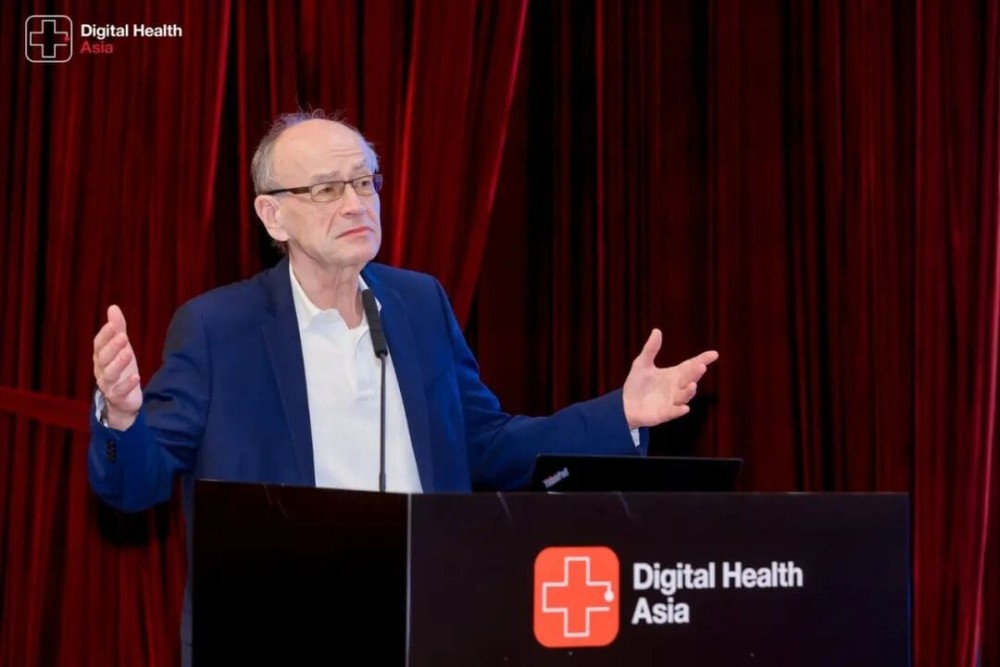
In his keynote speech, Nobel Laureate in Physiology or Medicine and Honorary Doctor of City University of Macau, Thomas C. Südhof, delivered a speech entitled "Life Science Innovation and Human Health: The Role of Basic vs Applied Research." Professor Südhof pointed out that we are currently in an unprecedented era of innovation in biomedical research and drug development, with new technologies such as artificial intelligence providing a powerful impetus for development. Professor Südhof used Alzheimer's disease as an example for in-depth analysis. He pointed out that although therapies targeting pathological features such as β-amyloid have been developed for decades, their clinical effects are still very limited. This reflects that current research still lacks a fundamental understanding of the mechanisms of action of key genetic risk factors of the disease (such as APOE4) and the complex cellular biological processes of disease development. He emphasized that the current bottleneck is not due to insufficient "translation," but rather to a huge gap in the "basic knowledge available for translation." He called for an increase in investment in basic research such as disease biology, rather than rushing to translate immature basic discoveries into applications, and a return to exploring the essence of life and disease. During the Q&A session, Professor Südhof further elaborated on his views, and his insights prompted the audience to reflect deeply on the social value and status of biomedical research.
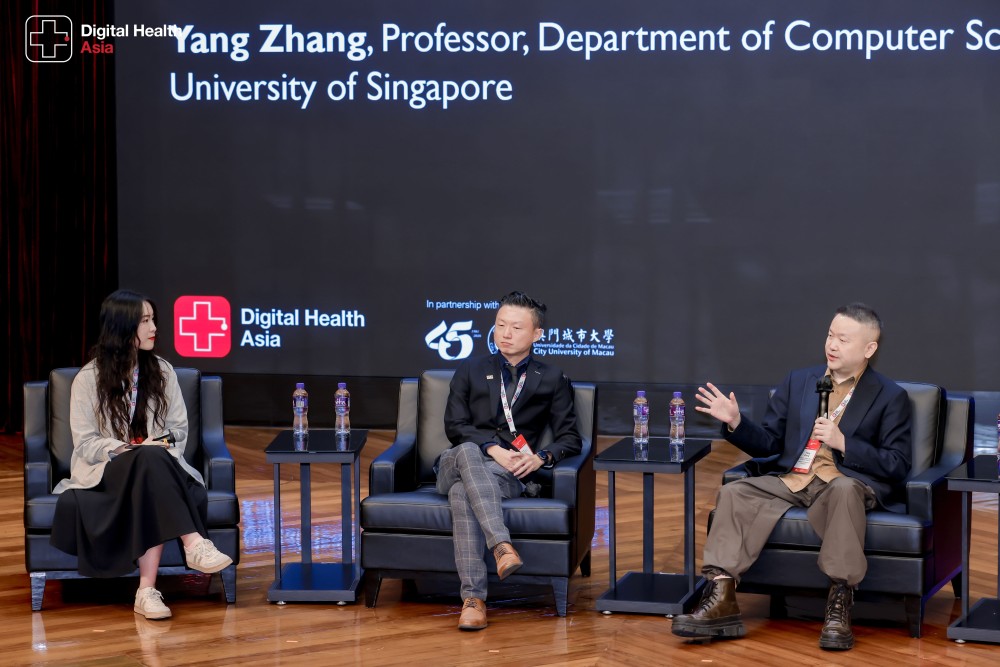
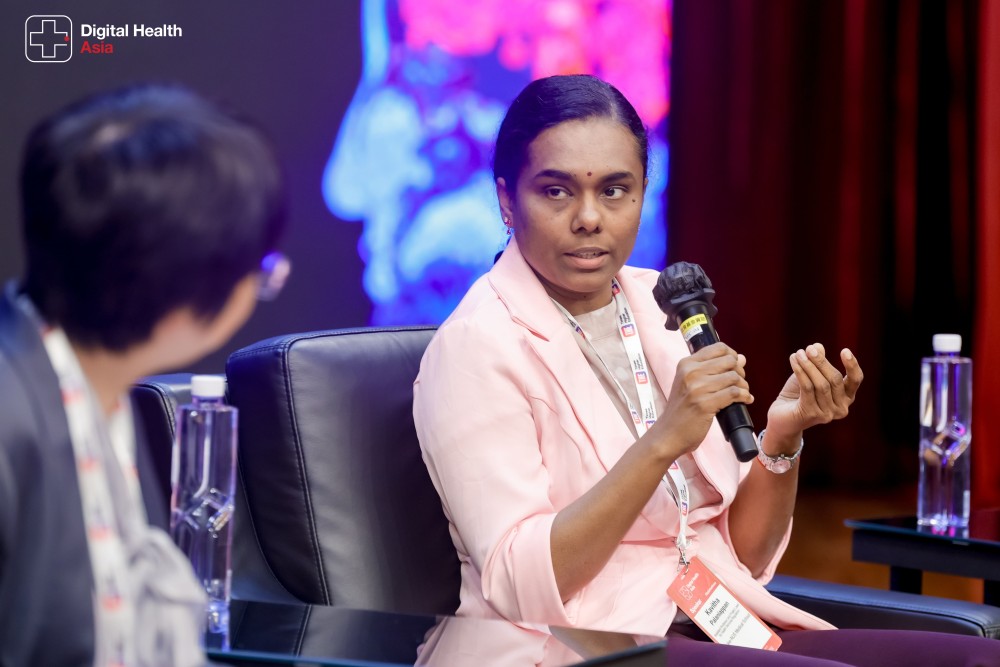
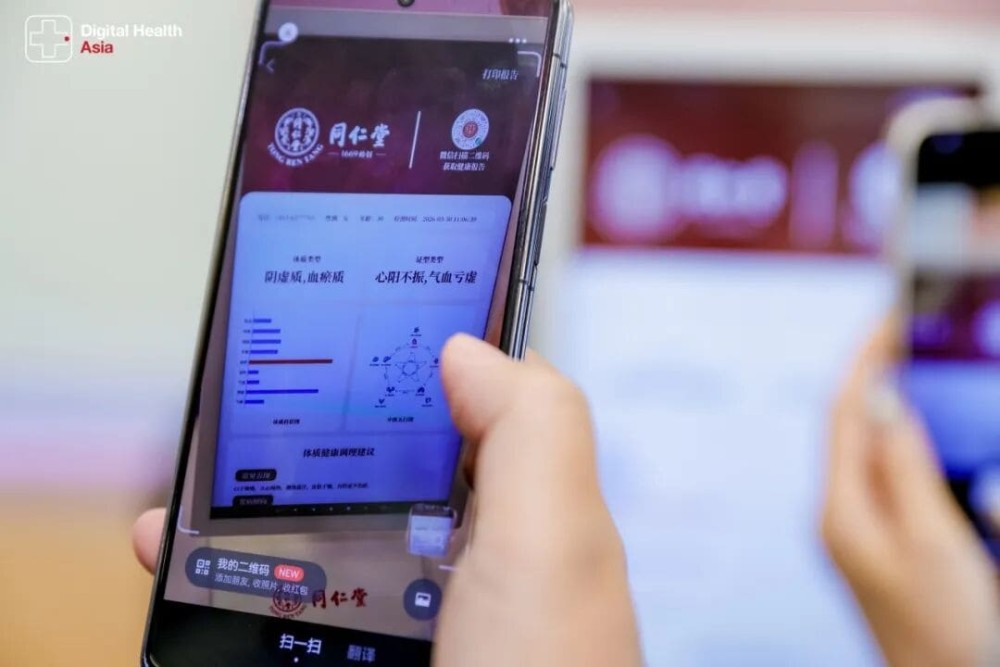
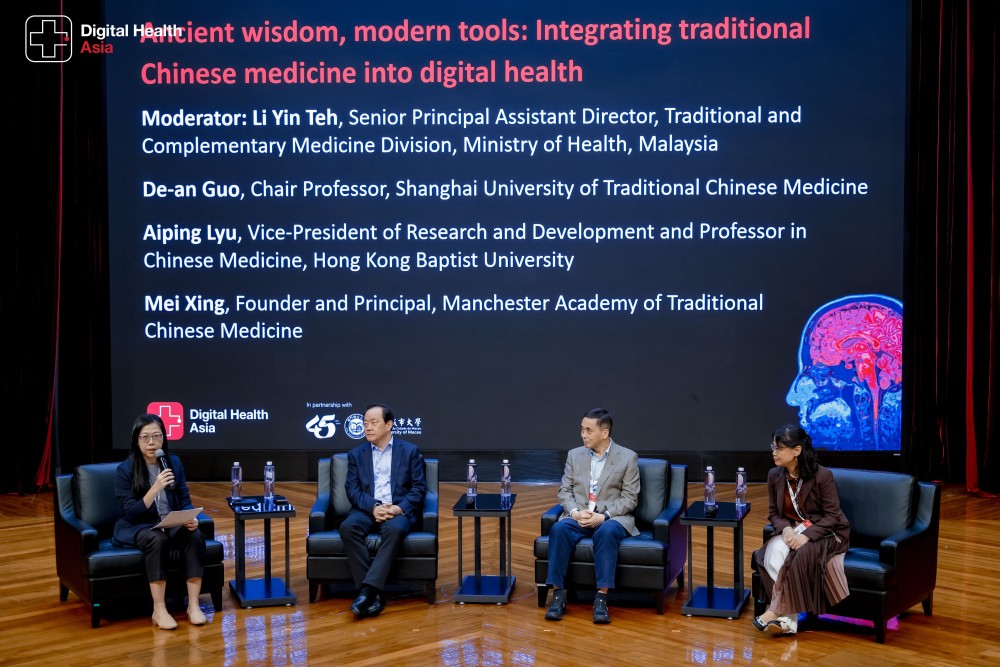
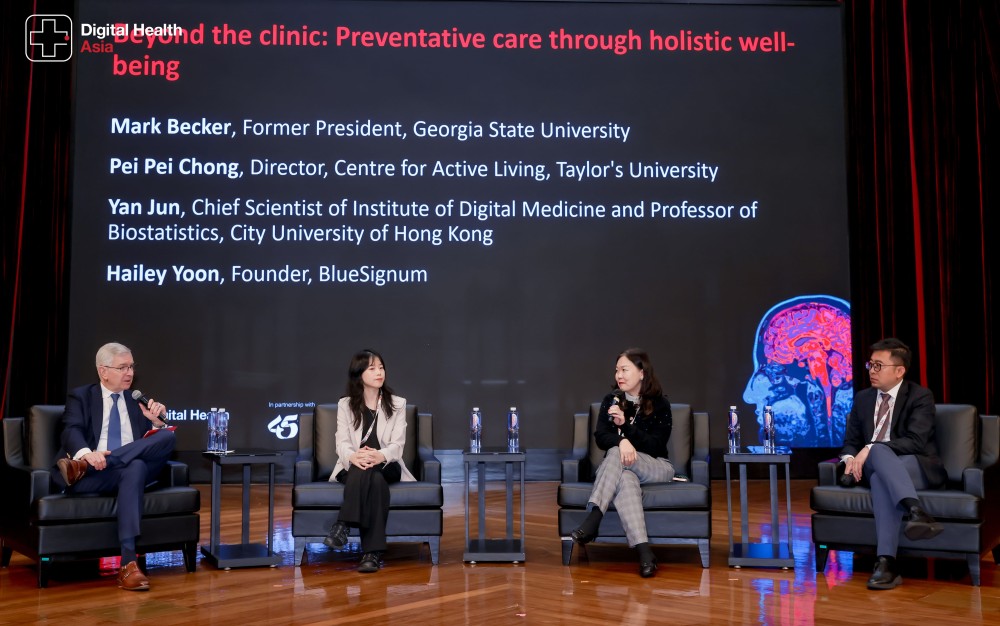
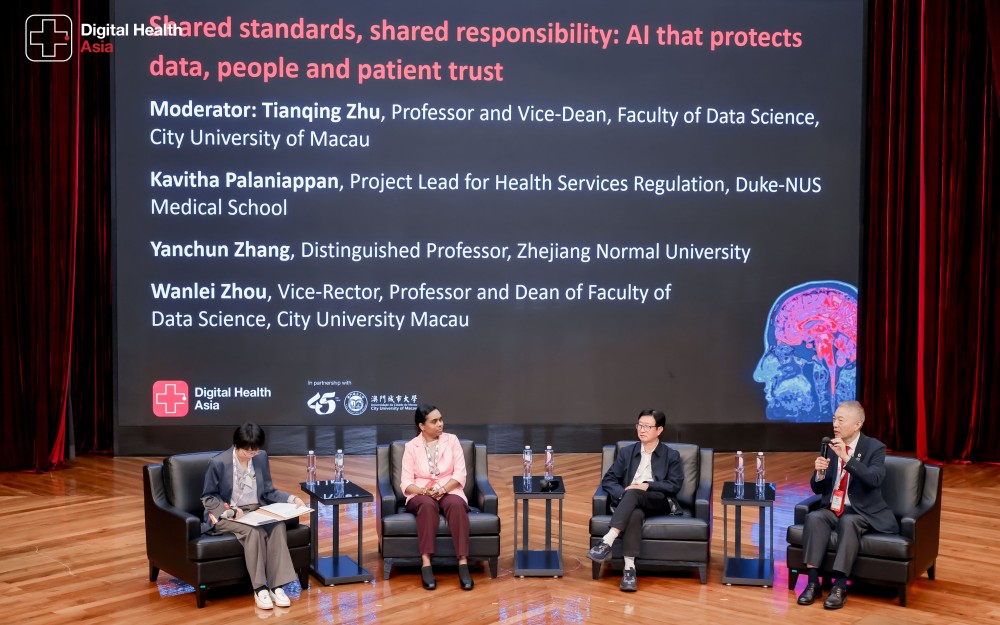
This conference also featured several academic sub-forums and sharing sessions with distinct themes and cutting-edge content. The panel discussion "Beyond the Clinic: Preventative Care through Holistic Well-being" explored a multi-dimensional, full-cycle health management model that transcends traditional clinical treatment perspectives. "Ancient Wisdom, Modern Tools: Integrating Traditional Chinese Medicine into Digital Health" brought together leading experts in the field of traditional Chinese medicine to discuss pathways and methods for empowering the inheritance and innovation of traditional Chinese medicine with digital technology, promoting the deep integration of traditional Chinese medicine wisdom and modern digital technology. "Generative AI for Protein Design: The Next Frontier in Molecular Science" focused on the cutting-edge applications of AI technology in molecular science, exploring the technological breakthroughs and industrial application potential of generative AI in protein design. In addition, the summit also set up special forums on key topics such as AI data security, universities promoting the construction of the digital health industry, artificial intelligence assisting in precision microbiome research, the integration of entrepreneurship and capital in Asian health innovation, talent cultivation in the digital healthcare era, AI-enabled clinical diagnosis and treatment and minimally invasive intervention, and the integration of digital solutions into the national health ecosystem. Experts from various fields shared their views and exchanged ideas in depth, drawing a blueprint for the development of the Asian digital health industry.
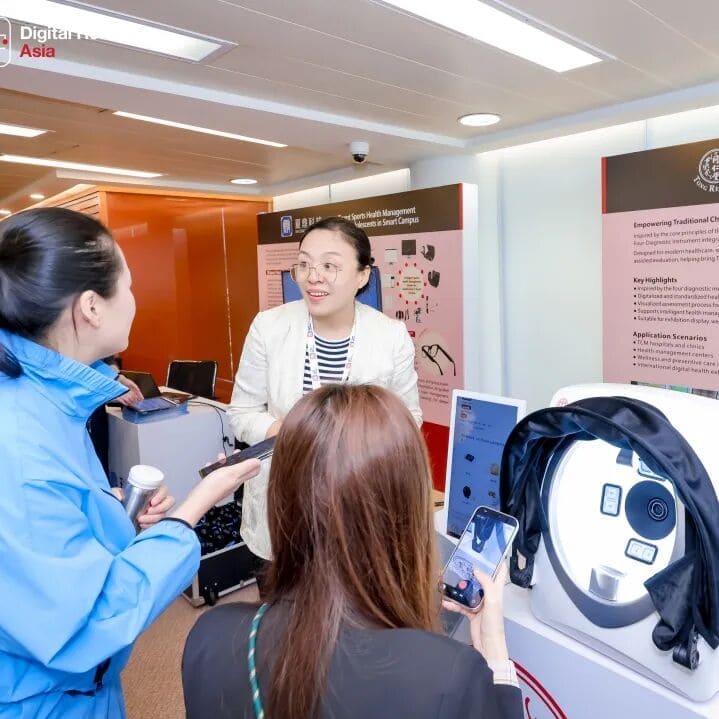
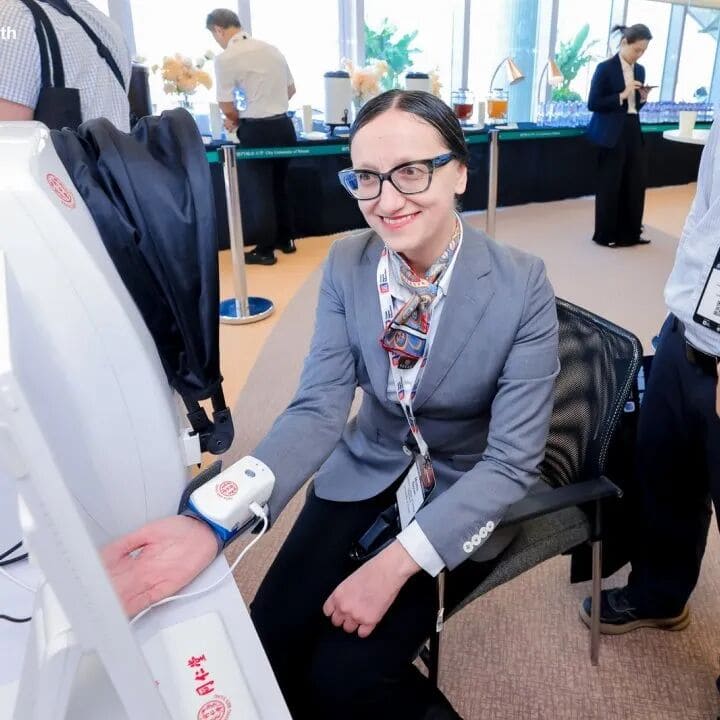
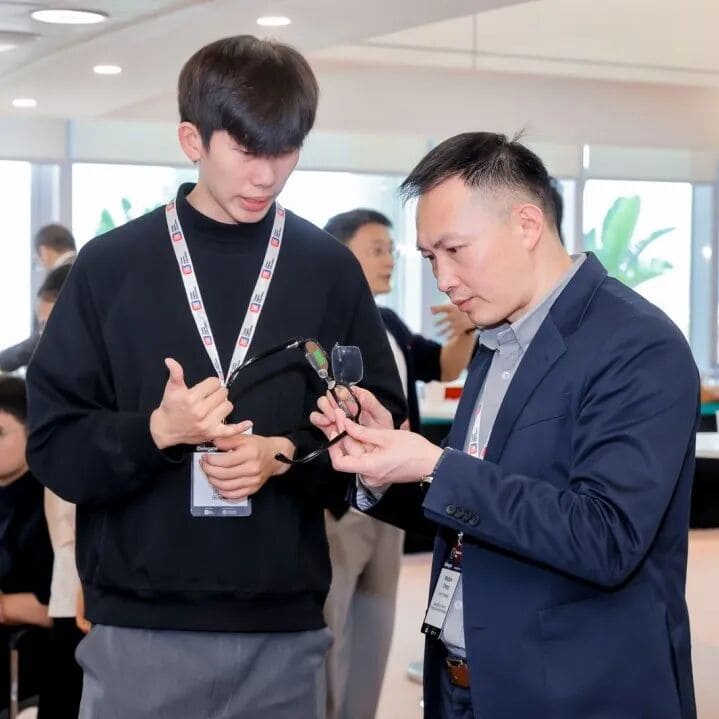
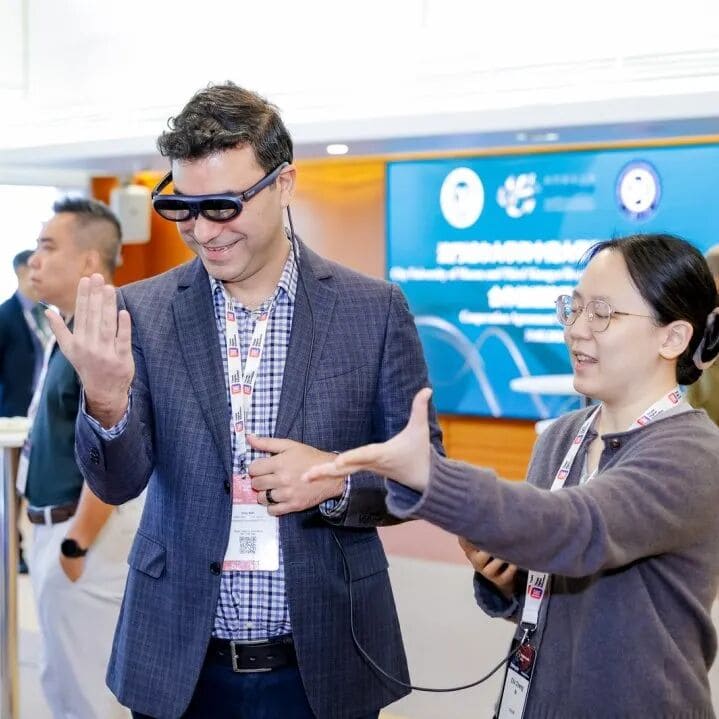
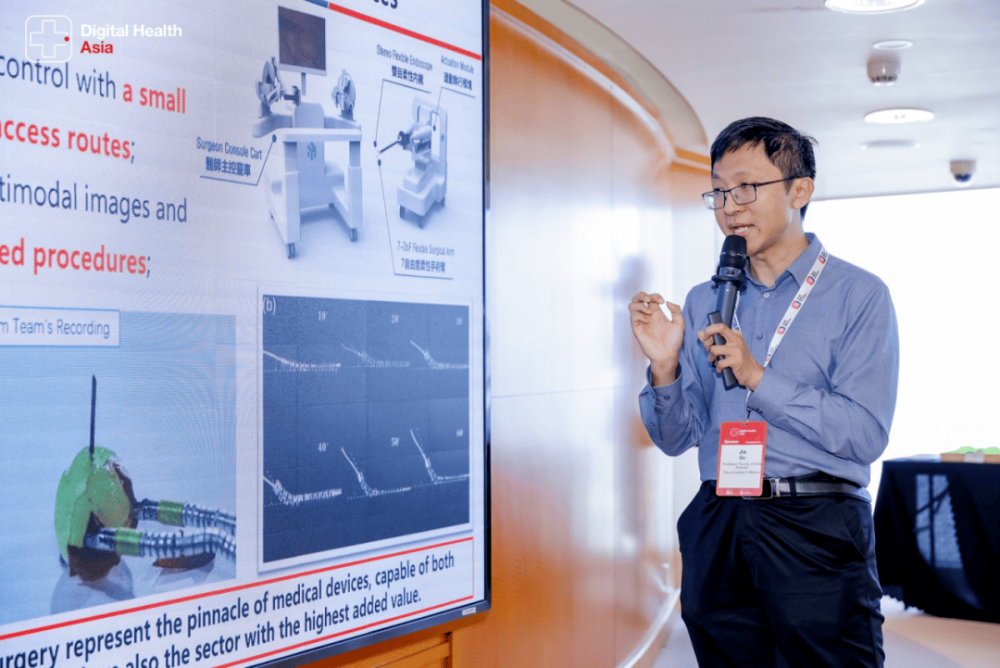
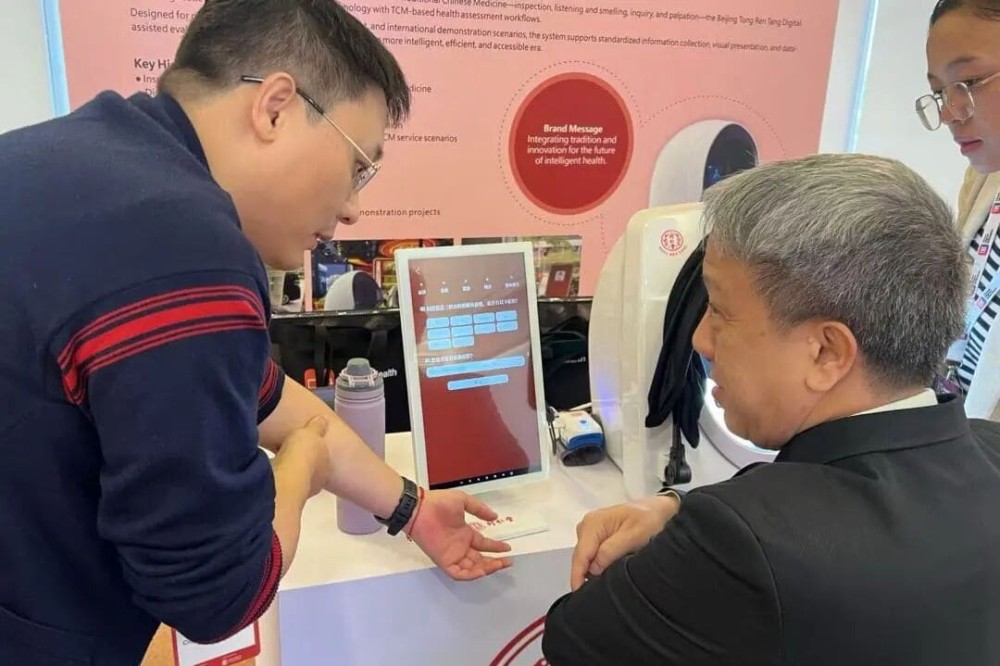
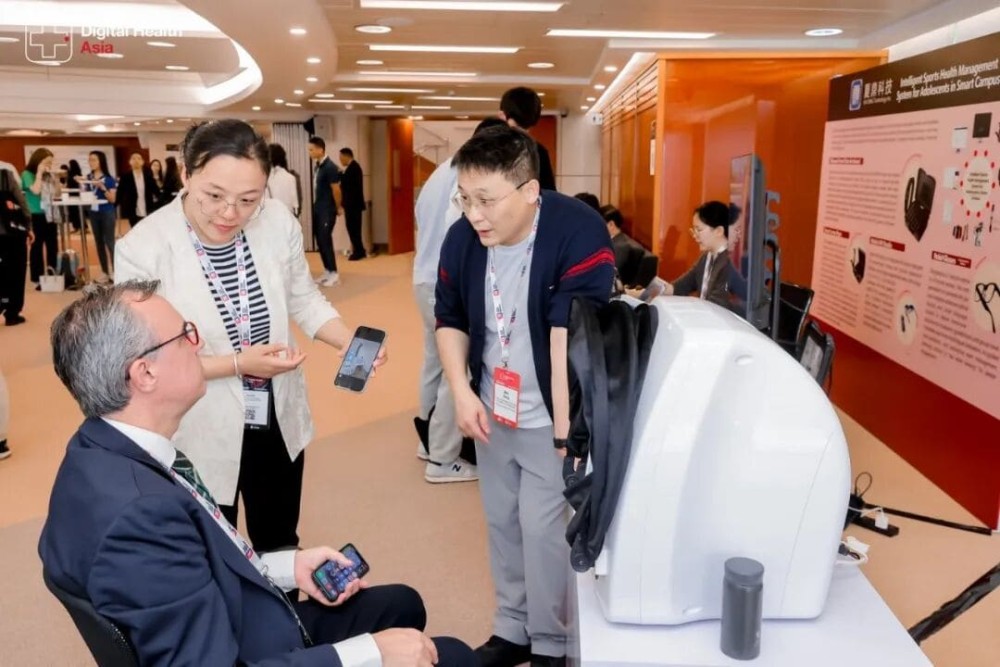
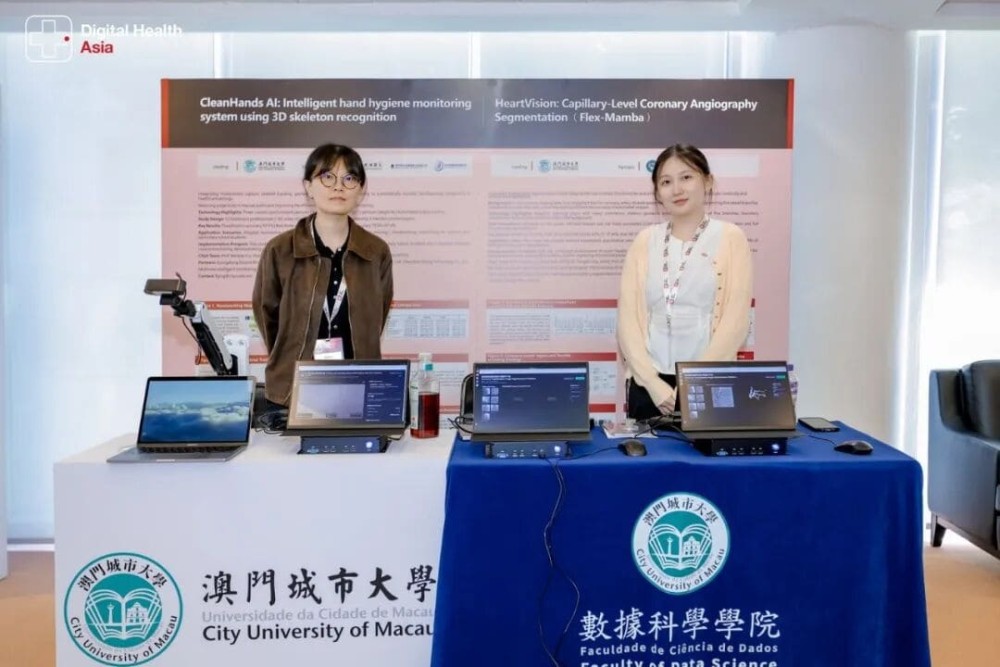
The conference also featured an innovation showcase, including a number of innovative technologies and products in the field of digital health, such as the Natural Orifice Surgical Robot and Intelligent Endoscope, the Diffusion Model Coronary Angiography Intelligent Recognition and Diagnostic System, and the 3D Skeletal Recognition Hand Cleaning Intelligent Monitoring System, comprehensively demonstrating the latest research progress and practical explorations in the field of digital health.
